
Integrating smart home security devices provides a powerful, proactive layer of protection that goes far beyond traditional alarms, offering real-time monitoring, remote control, and intelligent automation to safeguard your property. From video doorbells and smart locks to motion sensors and comprehensive monitoring systems, these interconnected devices create a responsive security ecosystem you can manage from anywhere.
This guide explores the essential devices available and their key benefits—including deterrence, convenience, and potential insurance savings—helping you build a smarter, safer home tailored to modern life.
Smart Home Security Systems That Deliver Real Protection
What Are the Key Devices in Smart Home Security Systems?
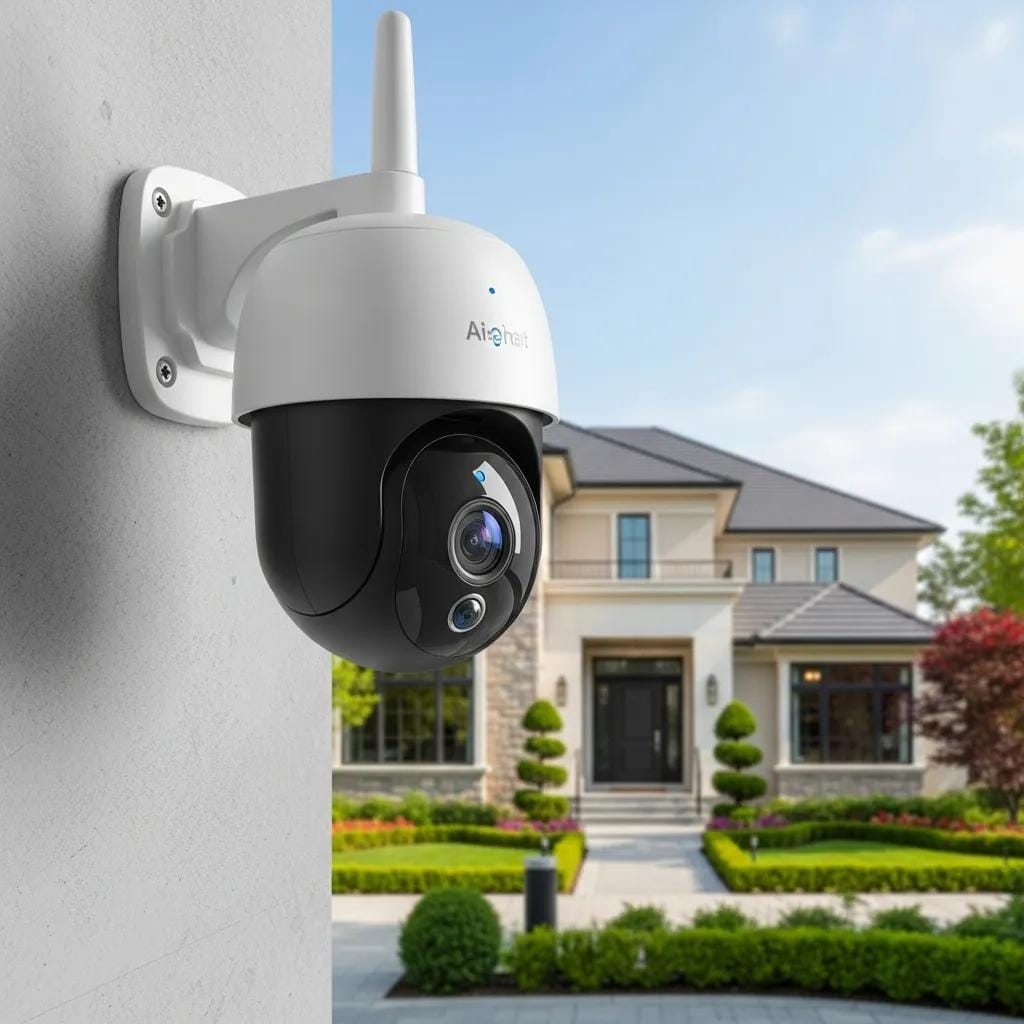
A smart home security system works best when it is built as a set of connected layers, not a single device. Cameras may be the most visible part, but sensors, locks, alarms, and smart lighting often do just as much to prevent break-ins and improve response time. The advantage of smart home security is that these devices can work together, send real-time alerts, and allow you to check in remotely without needing to be on-site.
The key is understanding what each device does and how it fits into your home’s daily routines. A camera is helpful, but a door sensor that alerts you the moment it opens can be even more practical. A smart lock adds convenience, but it is stronger when paired with alerts and a clear record of who entered and when. When you choose devices that complement each other, smart home security becomes more reliable and easier to manage.
How Do AI-Powered Surveillance Cameras Enhance Home Security?
AI-powered cameras add a smarter layer to smart home security by helping you sort out what matters. Basic cameras record footage, but AI-based features can distinguish between types of motion, such as a passing car versus a person approaching your door. This can reduce unnecessary alerts and help you respond faster when something is actually happening.
Many modern cameras also offer person detection and activity zones, allowing you to focus on the areas that matter most, like entry points, driveways, or back gates. Some systems can recognize familiar faces, though that feature raises privacy questions and should be used carefully. Even without facial recognition, AI can still improve the experience by making alerts more accurate and by creating searchable event timelines, so you are not scrubbing through hours of footage to find a specific moment.
Accuracy still depends on placement and conditions. Poor lighting, glare, or a camera aimed too high can reduce how well detection works. For smart home security, a properly positioned camera with clear sightlines often matters more than buying the most expensive model.
What Roles Do Smart Sensors And IoT Devices Play In Connected Security?
Sensors are often the backbone of smart home security because they provide immediate, simple signals. Door and window sensors tell you when an entry point opens. Motion sensors can detect movement in hallways, main rooms, or garages. Glass break sensors can add another layer by listening for specific sound patterns. These devices are typically less expensive than cameras, and they can be placed in multiple locations to cover the areas where a break-in is most likely to happen.
IoT devices also make smart home security more responsive. For example, sensors can trigger automations. A door opening at an unusual time can turn on lights, start recording on cameras, and send an alert to your phone. Smart lighting can make a home look occupied while you are away, which can discourage opportunistic break-ins. Smart smoke and carbon monoxide detectors are another important part of connected security, since they can send alerts even when no one is home.
Smart locks add both security and convenience. They let you create unique access codes for family members, guests, or service providers, and many models keep a record of entries. That is useful if you want to confirm when kids got home or when a delivery was dropped off. Smart home security works best when these devices are tied together through one platform, so you are not juggling multiple apps and missing alerts.
When you combine cameras, sensors, and connected devices with clear notifications and reliable placement, smart home security becomes more than monitoring. It becomes a system that helps you prevent problems and respond quickly when something feels off. environmental sensors can notify homeowners of potential hazards like smoke or water leaks. The seamless communication between these devices ensures that security measures are proactive rather than reactive.
How Does AI Surveillance and Drone Monitoring Improve Property Protection?

AI surveillance and drone monitoring are changing what smart home security can do, especially for larger properties or areas with multiple access points. Traditional cameras are useful, but they are limited by fixed angles and blind spots. AI adds a layer of real-time analysis, while drones add mobility and wider coverage. Together, they can help property owners spot issues earlier, verify alerts faster, and respond with better information instead of guessing what triggered a notification.
That said, the goal is not to replace the basics. Smart home security still works best when it starts with solid lighting, strong locks, and well-placed cameras and sensors. AI and drone tools become most useful when they are used to strengthen a complete system, not patch gaps in a weak setup.
What Are The Benefits Of Real-Time AI Analytics In Security Cameras?
Real-time AI analytics can make smart home security more practical by improving how alerts work. Basic motion detection can be noisy. Trees move, shadows shift, and pets trigger recordings. AI-driven detection aims to reduce that clutter by identifying more specific activity, such as a person approaching a door or someone lingering near a gate. When alerts are more accurate, homeowners are more likely to respond quickly, because they trust the notification.
Another advantage is speed. Real-time analytics can flag unusual behavior while it is happening, rather than after you review footage. Some systems can trigger actions automatically, like turning on lights, starting a recording at a higher resolution, or sounding an alarm when movement happens in a restricted area. This type of automation supports smarter response, especially if you are away from home.
AI tools can also make footage easier to use. Instead of scrubbing through long recordings, you can often search events by category, like “person detected,” and quickly find the moment you need. That saves time during stressful situations, like confirming whether a delivery was dropped off or checking if someone entered a side yard at night.
Many smart home security setups also rely on AI running on edge devices, meaning some analysis happens directly on the camera or local hub rather than being processed entirely in the cloud. This can improve response time and keep the system working even if internet connectivity is unstable. It also appeals to homeowners who want more control over where their data is processed.
How Does Drone Monitoring Provide Comprehensive Perimeter Security?
Drone monitoring expands what smart home security can cover because it is not tied to one angle. A drone can patrol a perimeter, check blind spots, and provide an aerial view that fixed cameras cannot offer. This is most useful for properties with long driveways, multiple buildings, large yards, or boundaries that are difficult to monitor from a single location.
Drones can also help verify alerts faster. If a sensor triggers on the far side of a property, a drone can provide real-time video from that area without requiring someone to walk outside at night or rely on a camera that may not have a clear view. That quick verification can reduce uncertainty, and in some cases, it can deter trespassing simply through visible presence.
Drone monitoring works best when it is integrated into a broader smart home security plan. The most effective setups use drones as a supplement to cameras and sensors, not a replacement. Cameras handle continuous coverage at entry points, sensors provide immediate triggers, and drones add flexible visibility when something needs to be checked quickly. When these tools work together, smart home security becomes less reactive and more informed, giving property owners better control over what is happening on their property. for large commercial properties or remote locations where traditional security measures may fall short.
How Do AI Surveillance and Drones Enhance Property Protection?
Smart home security is no longer just a camera on the front porch. Modern systems combine cameras, sensors, smart locks, alarms, and mobile alerts into one connected setup that helps property owners prevent problems, respond faster, and manage access more efficiently. For homeowners, that usually means peace of mind when the house is empty, better visibility when something triggers an alert, and more control over who comes and goes. For businesses, the benefits often extend into daily operations, including better oversight, clearer incident records, and simpler access management for staff and vendors.
The biggest advantage is that smart home security turns security into something you can actively monitor rather than something you only think about after an incident. Whether you are protecting a single-family home, a rental property, or a storefront, connected devices can create a layered system that is harder to bypass than a single alarm or lock.
How Do Smart Security Systems Enhance Crime Deterrence And Safety?
Deterrence is one of the most practical reasons people invest in smart home security. Visible cameras, smart doorbells, and well-placed lighting can discourage opportunistic crime because they increase the chances of being seen and recorded. Smart locks also add a strong safety layer by removing common weak points, such as spare keys hidden outside or uncontrolled copies of house keys floating around.
The safety benefit grows when devices work together. A door sensor can trigger a camera recording. Motion detection can turn on outdoor lights. Alerts can be sent to your phone the moment something unusual happens. That kind of proactive monitoring helps you react quickly, whether that means checking a live feed, asking a neighbor to look, or contacting the appropriate help when a situation looks serious.
Smart home security also improves safety by creating a clearer record of events. Instead of relying on memory or guessing what happened overnight, you can review timelines and clips. For businesses, this can be helpful for verifying deliveries, reviewing after-hours activity, and resolving disputes. For homeowners, it can be as simple as confirming a package arrival or seeing when kids got home.
What Cost And Operational Advantages Do Connected Security Solutions Offer?
Connected security can be more cost-effective than people expect because it reduces inefficiency. Instead of paying for separate systems that do not communicate, a single smart home security platform can bring cameras, sensors, locks, and alerts into one dashboard. That streamlined approach makes it easier to manage the system day to day, which is important because a security setup that is too complicated often gets ignored.
For businesses, smart home security can also support operations by simplifying access control. Smart locks and access codes make it easier to grant and revoke entry for employees, cleaners, or contractors without rekeying doors. Activity logs can help owners see when doors were opened and by whom, which can improve accountability without needing extra staff oversight.
There can also be insurance benefits depending on the insurer and the system installed. Some providers offer discounts for monitored alarms, cameras, or protective devices, especially when the system lowers risk. Even when discounts are not guaranteed, preventing one break-in, one vandalism event, or one major theft often justifies the investment.
Overall, smart home security offers a combination of deterrence, faster response, and better control. For residential and commercial properties alike, the real value comes from building a layered system that is easy to manage and reliable enough to use every day.
How Are Smart Access Control And IoT Integration Transforming Security Management?
Smart access control has changed the way people think about security because it adds control, visibility, and flexibility to everyday entry points. Instead of relying on physical keys and hoping the right person has them, smart home security systems let you manage access in real time. That matters for homeowners, property managers, and businesses alike. When locks, sensors, and cameras work as one connected setup, security becomes easier to oversee and harder to bypass.
IoT integration is the reason this works so well. With connected devices communicating behind the scenes, you can build routines that respond automatically to activity. A door opens and lights turn on. A sensor detects movement and a camera begins recording. An unusual entry triggers an alert. These layers reduce the chance that a problem goes unnoticed, and they also make day-to-day security simpler because you are not managing separate systems that do not talk to each other.
What Features Do Smart Locks And Connected Sensors Provide?
Smart locks are often the first upgrade people make because they are immediately useful. Keyless entry means you can unlock doors with a code, phone, or app, and you can give guests access without handing over a physical key. For many households, that removes common security weak points, such as spare keys hidden outside or copies of keys that never get returned. In a smart home security setup, access can be customized. You can create temporary codes for visitors, assign unique codes to family members, and remove access quickly when plans change.
Connected sensors add another layer by watching the parts of the home that locks alone cannot cover. Door and window sensors can alert you the moment an entry point is opened. Motion sensors can detect movement in hallways, garages, or rooms that should be empty. Some systems also support glass break detection or vibration sensing, which can help identify forced entry attempts earlier. When these sensors are tied into a smart home security platform, they do more than send a notification. They can trigger camera recordings, turn on lights, or set off alarms depending on how the system is configured.
The most important benefit is awareness. Instead of finding out later that a door was left open or a window was unlatched, smart access control and sensors can notify you immediately so you can respond.
How Does Centralized Remote Monitoring Improve Security Oversight?
Centralized remote monitoring improves smart home security by putting everything in one place. When cameras, locks, and sensors are managed through a single interface, it is easier to see what is happening and respond quickly. You are not switching between apps, checking different alerts, or trying to piece together information after the fact. A connected system can show door activity, sensor triggers, and camera footage in a timeline, which makes it easier to confirm whether an alert is harmless or something that needs attention.
Remote monitoring is also valuable for travel and busy schedules. You can lock a door from anywhere, check whether a delivery arrived, or verify that a property is secure after hours. For businesses and rental properties, this type of oversight can streamline operations because access and security can be managed without being on-site. It can also improve accountability by creating clear logs of entries and alerts.
In some situations, remote monitoring supports faster coordination when a real issue occurs. If an alert indicates a likely break-in, having immediate access to video and entry logs can help you make a quicker decision about next steps. Overall, smart access control and IoT integration are transforming smart home security by making it more responsive, more manageable, and more useful in day-to-day life, not just during emergencies.
What Should Property Managers And Business Owners Know About Implementing Smart Home Security?
Smart home security is not just for single-family homes anymore. Property managers and business owners are using connected cameras, access control, and sensors to reduce risk, improve oversight, and simplify daily operations. The biggest shift is that security can now be managed remotely and adjusted quickly as tenants change, staff schedules rotate, or buildings expand. That flexibility is useful, but it also means implementation needs to be planned. A rushed setup can create blind spots, inconsistent coverage, and systems that are hard to maintain.
Before choosing devices, it helps to define the goal. Some properties need strong perimeter coverage. Others need access control and audit trails. Many want both. A smart home security system should be designed around how the property is used, where the most likely risks exist, and who will be responsible for monitoring alerts.
How Can Customized Smart Security Solutions Address Specific Property Needs?
One-size systems rarely fit real properties. A small retail space has different needs than a multi-tenant building, and a single storefront is not the same as a warehouse with multiple entrances. Customized smart home security starts with a basic risk assessment. Identify the entry points, the areas with valuable inventory or sensitive equipment, and the places where incidents are most likely to occur, such as back doors, loading areas, and parking lots.
From there, device choices should match the layout. Cameras work best when they cover entry points and high-traffic zones without being blocked by signage or lighting glare. Sensors can add coverage where cameras are limited, such as doors, windows, and interior areas that should remain closed after hours. Smart locks and access control can help manage who enters and when, which is especially useful for properties with vendors, cleaning crews, or staff turnover. A system that supports unique codes and clear logs can reduce key management issues and help resolve disputes quickly.
For property managers, customization also means thinking about scale. It is often easier to manage multiple units when systems are standardized across the portfolio, but still flexible enough to adapt to each building. Smart home security works best when it is consistent, because consistent systems are easier to train on, troubleshoot, and maintain.
What Are Best Practices For Integrating AI And IoT Technologies Securely?
Connected security devices are only as strong as the way they are configured. When integrating AI and IoT, the first priority is protecting access. Use strong, unique passwords and turn on multi-factor authentication wherever it is available. Limit admin permissions to the people who truly need them, and avoid sharing logins across staff. If a vendor needs access, give them a role-based account rather than handing over full control.
Updates are another must. Many smart home security devices receive firmware and security updates that patch vulnerabilities. If updates are ignored, the system can become easier to exploit over time. Set a routine for checking updates and replacing older devices that no longer receive support.
Network security matters just as much as device security. Use encryption where supported, secure your Wi-Fi, and consider separating security devices onto their own network or VLAN, especially in commercial environments. This reduces risk if another part of the network is compromised. It also helps to review system logs and alerts regularly. Many problems are not dramatic hacks. They are small issues like outdated permissions, unused access codes, or devices that were installed but never configured properly.
Smart home security can be a strong upgrade for property oversight when it is planned with the property’s layout and daily operations in mind. With a tailored design and secure integration practices, property managers and business owners can get the benefits of connected monitoring without creating unnecessary security or privacy risks.
Conclusion
Integrating smart home security devices provides a powerful layer of protection, convenience, and peace of mind for your family and property. While choosing the right cameras, sensors, and automation is crucial, professional installation and system integration ensure everything works seamlessly together for maximum effectiveness. For a custom-designed smart security solution that fits your lifestyle and budget, trust the experts at Southeast Security Services.
Ready to upgrade your home’s protection? Call (404) 504-7023 or request a free estimate through our website form today. Let us help you build a safer, smarter home.