In the competitive retail landscape, effective loss-prevention strategies that incorporate trained security guards are essential for protecting inventory, reducing shrinkage, and ensuring a safe shopping environment. Beyond simply deterring theft, professional security personnel are skilled in identifying suspicious behavior, de-escalating conflicts, and collaborating with store management to implement proactive measures.
This guide explores the key roles security guards play in retail loss prevention, from visible patrols and customer engagement to surveillance monitoring and incident response, helping retailers safeguard their bottom line and reputation.
Retail Loss Prevention and the Role of Security Guards
What Are The Key Challenges In Retail Loss Prevention Today?
Retail loss prevention has become harder to manage because the risks are coming from multiple directions at once. Traditional shoplifting still happens, but retailers are also dealing with tighter labor, faster inventory cycles, and more complex fulfillment models that move product through stores in new ways. When merchandise is picked up in-store, shipped from a back room, or returned through multiple channels, it creates more opportunities for items to go missing without anyone noticing right away.
Another challenge is that many losses do not come from one big incident. They come from small gaps that add up: inconsistent receiving practices, weak return controls, poor visibility into stock movement, and simple errors made during busy shifts. That is why strong retail loss prevention is less about a single “solution” and more about building consistent processes that hold up under day-to-day pressure. The retailers that do this well usually focus on visibility, accountability, and simple routines that are followed the same way across teams.
How Does Inventory Shrinkage Impact Retail Profitability?
Inventory shrinkage is a catch-all term for product that a retailer pays for but cannot sell. That can include theft, damage, paperwork mistakes, and breakdowns in how inventory is tracked. The problem is not only the cost of the missing item. Shrink can ripple through pricing, ordering, staffing, and customer experience. When on-hand numbers are wrong, stores may reorder items they already have, or worse, assume they have stock when they do not. That often leads to stockouts, frustrated customers, and missed sales.
Shrink also makes it harder to run promotions and plan inventory accurately. If a store thinks it has more product than it really does, a sale can turn into empty shelves and disappointed shoppers. Over time, that hits loyalty and reduces repeat visits, especially when customers start expecting that the item they want will not be available. Even small shrink rates can translate into major losses at scale, which is why retail loss prevention teams often push for tighter controls around receiving, cycle counts, and returns. Those are the areas where small process fixes can prevent repeat losses and improve inventory accuracy at the same time.
What Is Organized Retail Crime And Why Is It Increasing?
Organized retail crime, often called ORC, is different from opportunistic theft. It usually involves coordinated groups stealing large quantities of merchandise with the intent to resell it. These groups tend to target items that are easy to move, high demand, and simple to sell through third-party channels. The growth of online resale platforms has made it easier for stolen goods to be flipped quickly, which increases the incentive and shortens the time between theft and profit.
ORC also creates a different kind of strain on stores. It can escalate safety concerns for employees, increase time spent on incident reporting, and force leadership to adjust staffing and security practices. It also complicates inventory management because theft may be concentrated in specific categories, locations, or times, which makes patterns harder to spot without strong reporting and regular review.
For retail loss prevention, the response to ORC typically requires more than signage or basic deterrents. Retailers need consistent documentation, strong coordination with store operations, and better visibility into repeat incidents so patterns can be identified. When theft becomes systematic, the solution needs to be systematic too, with clear processes that protect product while still keeping the shopping experience smooth for legitimate customers.
How Do Security Guards Enhance Retail Loss Prevention?
How Do Security Guards Enhance Retail Loss Prevention?
Security guards are one of the most practical tools in retail loss prevention because they influence behavior in real time. Cameras and alarms matter, but they do not greet customers, notice body language, or step in when a situation is about to escalate. A trained security presence can deter theft, support employees, and reduce the number of incidents that turn into bigger safety problems. In many stores, the main value of a guard is not only catching theft, but preventing it by making risk feel higher and opportunities feel smaller.
Guards also help create consistency. Retail teams are often stretched thin, especially during busy seasons or staffing gaps. When employees are focused on checkout, stocking, and customer support, they may not have the bandwidth to monitor for suspicious behavior. Security staff can take on that role, which allows store teams to do their jobs while still strengthening retail loss prevention across the floor.
Another benefit is response time. When something does happen, delays can make the situation worse, whether it is a theft attempt, a disruptive customer, or a conflict at the register. A guard who is already on site can respond quickly, assess what is happening, and help guide the next steps. That kind of fast response supports safety for staff and customers and can also reduce loss.
What Roles Do Uniformed And Plainclothes Security Guards Play?
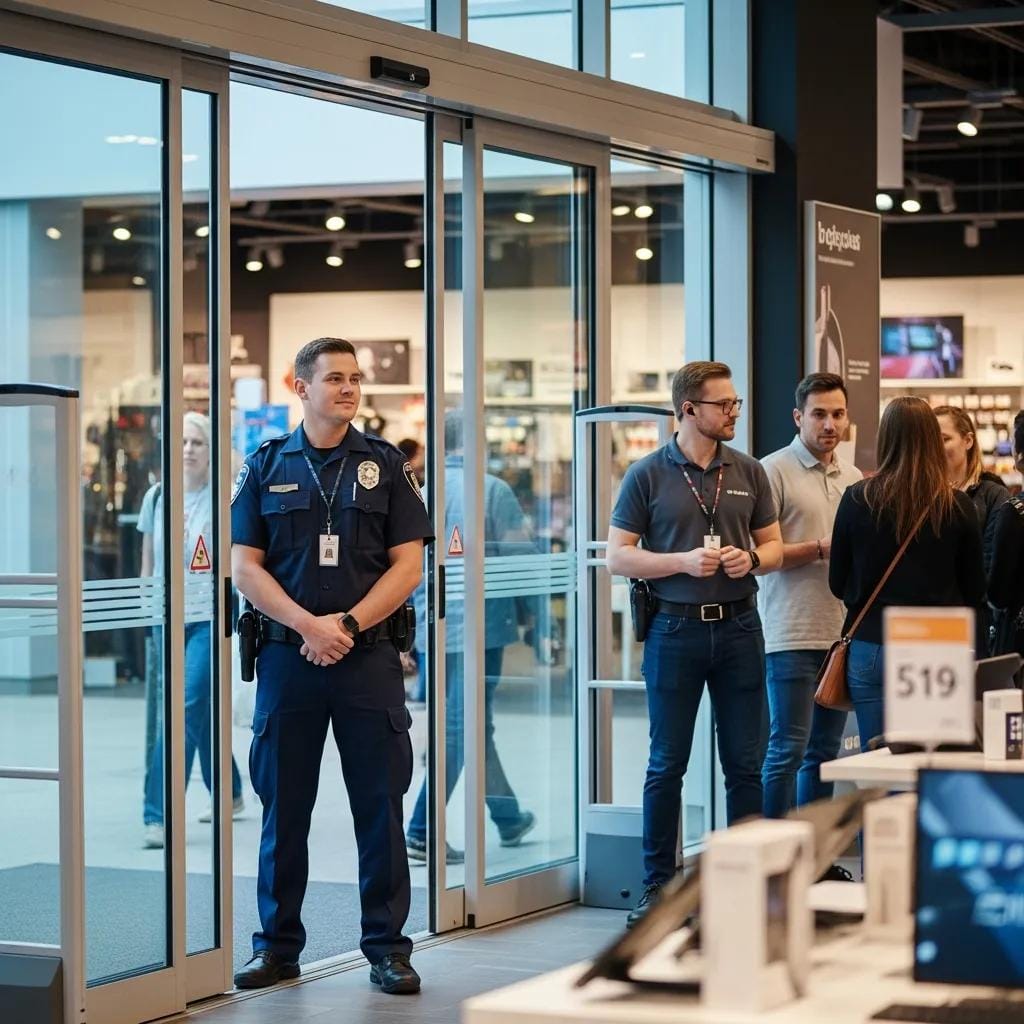
Uniformed and plainclothes guards support retail loss prevention in different ways, and many retailers use both depending on the store environment. Uniformed guards work primarily as a visible deterrent. Their presence at entrances, near high-risk areas, or during peak hours signals that the store is monitored. That alone can discourage opportunistic theft because it increases the perceived chance of being noticed. Uniformed guards also reassure employees, especially in locations where incidents have become more frequent, and they can help customers feel safer when shopping.
Plainclothes guards play a different role. Because they blend in, they can observe suspicious behavior without triggering a reaction from someone who may be testing boundaries. This can be useful in stores that deal with repeat offenders, organized theft attempts, or tactics that rely on distraction. Plainclothes coverage is also helpful when retailers want security support without changing the look and feel of the shopping experience. In higher-end retail environments, for example, plainclothes monitoring can provide coverage without making the space feel overly controlled.
The strongest results typically come from matching the approach to the store’s risks. A high-traffic big box store may benefit more from visible deterrence at key points, while a boutique may prefer discreet monitoring with strong staff awareness.
How Do Security Guards Provide Visible Deterrence And Incident Response?
Visible deterrence works because most theft depends on opportunity and low risk. When a store has an alert security presence, people are less likely to attempt theft, and those who do may take fewer risks. Guards contribute simply by being observant, moving through the store, and staying engaged with what is happening around them. In retail loss prevention, that steady presence often matters more than dramatic interventions.
When an incident occurs, guards are also trained to respond in a controlled way. That includes recognizing suspicious behavior early, approaching situations professionally, and using de-escalation techniques when emotions run high. In many cases, the best outcome is a calm resolution that protects people first and product second. Guards also know when to involve store management or law enforcement, which helps retailers follow proper procedures and avoid unnecessary escalation.
Soft skills matter here. A guard who communicates clearly, stays calm, and understands how to manage conflict helps create a safer environment overall. That improves the shopping experience for customers and reduces stress for employees, which is often an overlooked but important part of retail loss prevention.
How Does Advanced AI Surveillance Complement Security Guards in Retail?

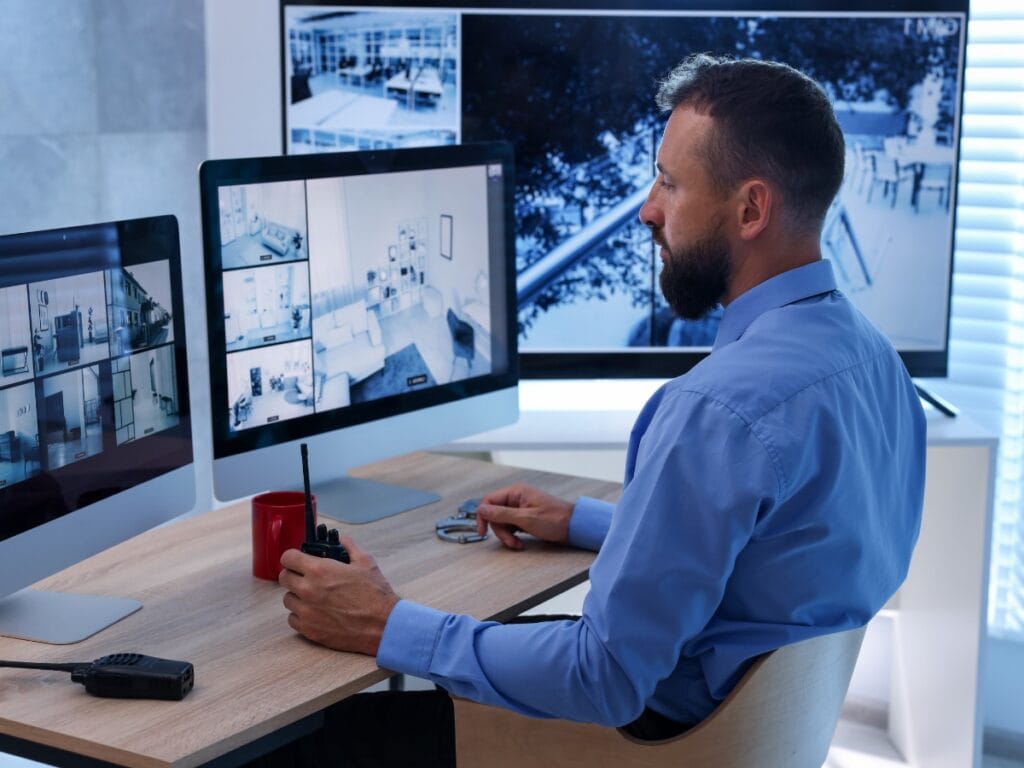
Retail teams are asking more of fewer people, and that is one reason technology has become a bigger part of retail loss prevention. Advanced AI surveillance does not replace security guards. It supports them by helping them see more, respond faster, and focus attention where it is most needed. In many stores, one guard or one manager cannot realistically monitor multiple entrances, self-checkout lanes, high-theft aisles, and the parking lot at the same time. AI-supported cameras and software can act like an extra set of eyes that never gets distracted, tired, or pulled away by competing tasks.
The best results usually come from combining people and systems. Security staff bring judgment, de-escalation skills, and the ability to read a situation in context. AI tools bring constant monitoring, pattern recognition, and quick alerts that help staff decide when to step in. When used well, this partnership strengthens retail loss prevention without creating friction for everyday shoppers. It also helps reduce the “react after the fact” dynamic that so many stores deal with, where theft is discovered only after inventory counts do not match what was sold.
Another practical benefit is documentation. AI-driven surveillance platforms can help capture clearer timelines, identify repeat behaviors, and support internal reporting. That matters when retailers need to spot trends across days or locations, or when incidents must be reviewed later for training and process improvements.
What Are The Benefits Of Real-Time AI Video Analytics For Theft Detection?
Real-time AI video analytics can strengthen theft detection by flagging behaviors that often show up before an incident escalates. Instead of relying on someone watching a wall of screens, these systems can monitor video feeds continuously and alert staff when something appears unusual. That might include repeated concealment motions, lingering in high-risk areas, suspicious handoffs between individuals, or abnormal movement patterns near exits or registers. The point is not to “predict crime” with certainty, but to surface risk quickly so staff can pay attention and decide what is actually happening.
This type of monitoring becomes especially useful in busy environments where theft can blend into normal traffic. When a store is crowded, even experienced staff can miss subtle cues. AI alerts can provide a prompt to check a camera angle, walk the floor, or send a manager to a specific area. That helps teams use time more efficiently, which is often a bigger constraint than equipment.
Real-time analytics can also support multi-site visibility. Retailers with more than one location can standardize monitoring and reduce blind spots, especially during peak hours. While results vary depending on setup, training, and store layout, many retailers report fewer repeat incidents once they combine smart alerts with consistent response procedures. Over time, the system becomes more helpful when it is paired with clear guidelines for what staff should do when an alert occurs, so responses stay calm, consistent, and legal.
How Is Drone Monitoring Used For Large Retail Spaces?
Drone monitoring is still a more specialized tool, but it can add value for large retail properties where standard cameras have limits. Parking lots, loading areas, outdoor garden centers, and wide-open entrances can be hard to monitor with fixed angles alone. Drones equipped with cameras can provide an overhead view that helps security teams quickly check activity in areas that are spread out or poorly covered. This can be useful for identifying suspicious behavior outside the store, monitoring after-hours activity, or supporting faster awareness during an incident.
In practice, drones work best as a supplement, not a constant presence. They may be used during high-risk times, special events, or in locations where incidents tend to start outside and move inside. When used thoughtfully and within local rules, drone monitoring can improve visibility and help teams coordinate a response without pulling staff away from critical in-store roles.
As retail loss prevention evolves, the strongest approaches tend to combine tools and people in a way that fits the store’s actual risks. AI video analytics and drones can expand coverage and speed up detection, but the human role remains essential for decision-making, safety, and respectful interactions with customers.
What Customized Security Solutions Are Effective For Different Retail Environments?
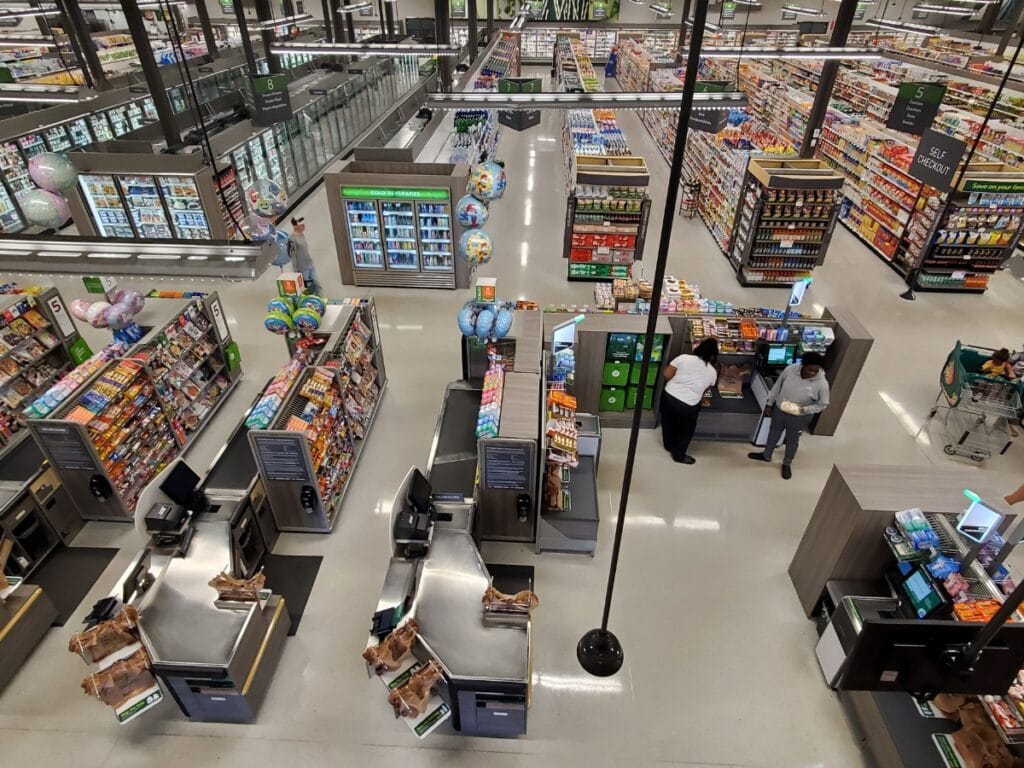
Effective retail loss prevention looks different depending on the store, the product mix, and how customers move through the space. A small boutique with a few high-ticket items faces different risks than a large shopping center with multiple entrances, shared parking, and hundreds of daily transactions. That is why “one-size-fits-all” security usually underperforms. Retailers tend to get better results when they start with a clear risk picture, then build a plan that fits how the location actually operates.
Customized security solutions often blend a few consistent elements: visibility, deterrence, and clear response procedures. Visibility includes camera placement, lighting, and store layout decisions that reduce blind spots. Deterrence includes staff presence, signage, and consistent operational habits such as receipt checks where appropriate. Response procedures matter because the best equipment does not help if teams are unsure what to do when suspicious activity is detected. In strong retail loss prevention programs, the technology and the people work together, and the plan stays realistic for day-to-day staffing levels.
Another key factor is customer experience. Security can be effective without making honest shoppers feel watched or unwelcome. The most successful plans aim for calm, professional coverage that protects product while keeping the shopping environment comfortable.
How Are Security Plans Adapted For Boutique And Luxury Retail Stores?
Boutique and luxury retailers often carry smaller inventories with higher per-item value, which makes them attractive targets. At the same time, these stores rely heavily on a premium customer experience, so security cannot feel aggressive or intrusive. That balance shapes the security plan. In many boutique environments, cameras are positioned to capture clear views of entrances, key displays, and fitting room corridors without making the space feel like a checkpoint. Alarm systems and controlled access to back-of-house areas also help protect high-value items and reduce internal loss.
Staffing strategy matters in boutique and luxury retail loss prevention. Instead of relying only on visible security presence, many stores emphasize trained staff who can provide attentive service while staying aware of risk. Customer engagement is often one of the most effective deterrents. A simple greeting, help offered at the right time, and consistent floor coverage can discourage theft without escalating tension. This approach also supports the brand, since customers in luxury environments expect attentive service.
Luxury stores may also adjust merchandising to reduce opportunity. High-theft items might be placed closer to staff, displayed in secure cases, or stocked in limited quantities on the floor. The goal is not to hide merchandise, but to remove easy opportunities and make suspicious behavior more noticeable. These small layout and operational choices often do as much for retail loss prevention as expensive upgrades.
What Security Measures Protect Large Shopping Centers And Commercial Properties?
Large shopping centers have a different challenge: scale. Multiple tenants, shared public spaces, and high traffic create more access points and more opportunities for incidents that are hard to track. Security plans usually include layered coverage, such as a visible security presence combined with surveillance systems that monitor entrances, corridors, and parking areas. A strong plan also includes coordination between property security and tenant teams so incident reporting is consistent and response procedures are clear.
Because shopping centers are complex environments, routine assessments are important. Regular walkthroughs and security audits help identify blind spots, lighting issues, and patterns such as repeated incidents in specific areas or at certain times. Emergency response protocols also matter more in commercial properties, where security teams may need to manage medical calls, disruptive behavior, and parking lot incidents in addition to theft.
The most effective shopping center strategies treat security as an ongoing process rather than a one-time setup. When reporting is consistent, and teams share information, patterns become easier to spot and address. That kind of coordination supports retail loss prevention while also improving the overall customer experience, since shoppers tend to feel more comfortable in spaces that are clearly well-managed and well monitored.
How Does Southeast Security Services Provide Expert Retail Loss Prevention?

Retailers do not need generic security coverage. They need a plan that matches the way their store operates, the products they carry, and the risks they face on a day-to-day basis. Southeast Security Services (SESSI) supports retail loss prevention by combining experienced security staff with practical planning and modern tools that help stores reduce theft, respond to incidents quickly, and create a safer environment for employees and customers. The goal is not to turn a store into a fortress. It is to build a visible, consistent security presence that discourages problems before they start and helps teams handle situations calmly when they do happen.
A strong retail loss prevention approach also recognizes that theft is only one part of the picture. Retailers are dealing with increased foot traffic variability, staffing constraints, and store layouts that can create blind spots. Security works best when it is aligned with store routines, such as opening and closing procedures, high-risk product placement, and how staff handle returns and checkout flow. When security is integrated into normal operations, it becomes more effective and less disruptive.
What Law Enforcement Expertise And Training Do Their Security Guards Have?
Security guards are most effective when they can read situations quickly and respond without escalating them. Southeast Security Services emphasizes guards with law enforcement backgrounds and training, which can be valuable in retail environments where incidents range from shoplifting to disruptive behavior. This experience often translates into stronger situational awareness, clearer decision-making under pressure, and a better understanding of how criminal behavior typically unfolds in public spaces.
Law enforcement training can also support professionalism in everyday interactions. In retail, deterrence is often about presence and consistency. When a guard is attentive, visible, and engaged with the environment, it reduces opportunity and signals that the store is monitored. At the same time, good guards know how to remain approachable. The best retail loss prevention coverage protects the store while still allowing customers to feel comfortable shopping.
Another advantage is documentation and incident handling. When a situation needs to be reported or reviewed, trained personnel are more likely to capture details accurately, follow proper procedures, and support internal reporting. That kind of consistency helps retailers spot patterns over time and adjust their prevention strategy where it will have the most impact.
How Are Customized Security Plans Developed And Implemented?
Effective security planning starts with understanding the specific retail environment. Southeast Security Services develops customized security plans by assessing the store layout, entry and exit points, high-theft areas, staffing patterns, and any recent incident history. This step matters because the risks are not the same across locations. A high-end boutique has different vulnerabilities than a grocery store, and a multi-tenant shopping center has different challenges than a standalone storefront.
Once the risks are clear, the plan focuses on practical coverage. That may include where guards should be positioned, how they should move through the space, and which areas require more attention during peak hours. It can also include recommendations for improving visibility, such as addressing lighting issues, reducing blind spots, and aligning camera placement with the areas where incidents most often occur. A plan is only as good as its execution, so implementation also depends on clear protocols that guards and store leadership can follow consistently.
Training is part of this process, too. When security personnel understand a retailer’s specific priorities and procedures, response becomes faster and more coordinated. That consistency is what makes retail loss prevention work over the long term. It reduces confusion during incidents, supports better reporting, and helps stores refine their approach as patterns change. Over time, a customized plan becomes a living system, one that adapts to the store’s needs while keeping safety and loss reduction at the center.
How Can Retailers Request A Customized Security Quote And Consultation?

Retail loss prevention works best when it is built around real conditions on the ground. Two stores can sell similar products and still have very different risks based on layout, staffing, traffic patterns, and the surrounding area. That is why many retailers start with a quote and consultation, not to buy a generic package, but to get a clear picture of what coverage actually makes sense for their location. A well-run consultation should feel more like an assessment than a sales pitch. The goal is to identify vulnerabilities, prioritize fixes, and outline an approach that improves results without disrupting day-to-day operations.
When retailers request a customized quote, it also helps leadership plan budgets more accurately. Instead of guessing what level of security is needed, the retailer can compare options based on coverage style, operating hours, and risk level. Over time, this kind of planning supports stronger retail loss prevention because it connects security decisions to measurable needs, such as reducing repeat incidents, improving response times, or tightening oversight in high-risk areas like entrances, self-checkout, or stockrooms.
What Information Is Needed To Get A Tailored Retail Security Assessment?
A useful assessment starts with basic details about the location and the way the store runs. Southeast Security Services typically needs information such as the size of the space, the location, and the hours of operation. It also helps to know how many entrances exist, whether there are shared areas like a plaza or parking lot, and where high-value or high-theft items are displayed. Existing security measures matter too, including cameras, alarms, locking displays, and any current staffing coverage.
Retailers also get better results when they share the challenges they are actually dealing with. That might include patterns like repeat theft in certain aisles, problems at closing, frequent refund abuse, or incidents happening outside the store. The more specific the information, the more realistic the recommendations will be. Accurate details allow the security team to design coverage that fits the store’s traffic flow and staffing levels, which is a key part of effective retail loss prevention.
How Does The Consultation Process Work With Southeast Security Services?
A typical consultation begins with an initial conversation to understand what the retailer wants to improve and where the biggest concerns are. From there, the security team may review the layout, entry points, blind spots, and day-to-day routines that affect loss risk. The outcome is usually a plan that outlines recommended measures and how they would be used in the specific environment. The best plans are practical, meaning they can be implemented consistently without requiring major operational changes.
Ongoing support is also part of keeping security effective. Retail environments shift with seasons, staffing, and changes in local activity. A plan that works now may need adjustments later, especially if incident patterns change or new vulnerabilities appear. When a retailer treats security as an evolving system, not a one-time setup, retail loss prevention becomes more sustainable over time.
How Do Different Security Measures Compare In Retail Settings?
Security coverage often works best when it mixes visible deterrence with strong monitoring and clear procedures. Uniformed guards are commonly used as a clear presence at entrances or high-risk zones, while plainclothes coverage can help discreetly observe behavior without drawing attention. AI surveillance can support monitoring by alerting teams to suspicious patterns, and drone monitoring can be useful for larger properties where parking lots or outdoor areas create coverage gaps.
The right combination depends on store type and risk level, but most retailers see stronger results when human coverage and technology support each other. When those pieces are aligned, retail loss prevention becomes more consistent, incidents are easier to document, and store teams feel more prepared to respond appropriately.
Conclusion
Implementing effective loss prevention strategies is essential for protecting your retail business’s profitability and creating a safe, welcoming environment for customers and employees. While technology plays a valuable role, the visible presence and proactive intervention of trained security guards provide an unparalleled deterrent against theft and disruption. For professional security solutions tailored to your retail operation’s unique needs, partner with Southeast Security Services. Ready to safeguard your inventory and your peace of mind? Call (404) 504-7023 or request a free estimate through our website form today. Let our experienced team help you build a comprehensive loss prevention strategy that works.