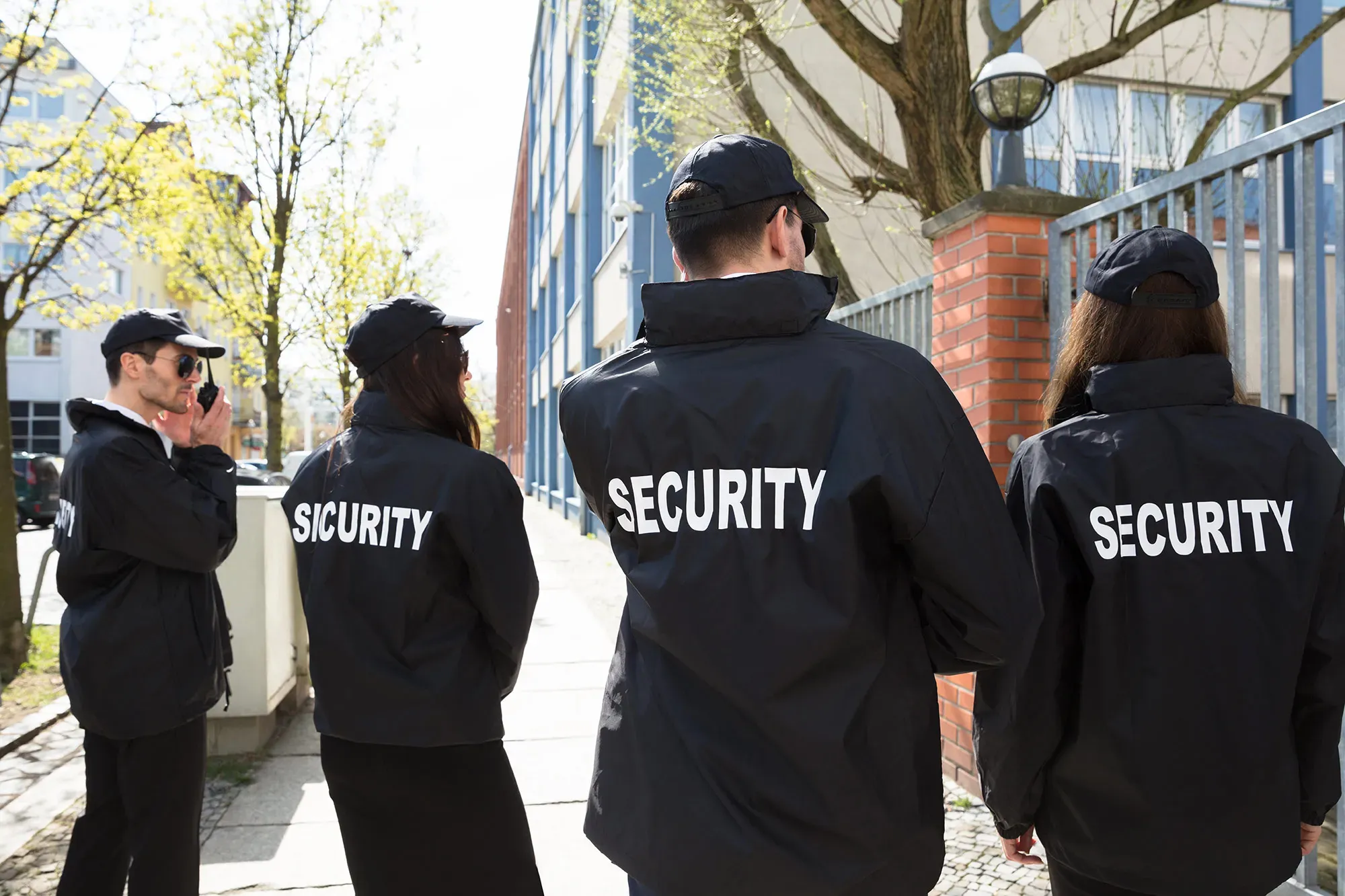
Security professionals are often the first people guests, customers, and employees interact with, which means their role goes beyond monitoring and response.
Professionalism, communication, and the ability to handle situations calmly are just as important as security skills. Strong customer service training helps guards create safer environments while maintaining positive interactions with the public.
Comprehensive security customer service training programs focus on conflict resolution, communication, situational awareness, and professional conduct. These skills help guards manage difficult situations more effectively while representing businesses and organizations in a professional way.
With the right training, security teams can strengthen public trust, improve response quality, and deliver a higher standard of service across a wide range of environments.
What Strong Security Customer Service Looks Like
What Are the Essential Customer Service Skills for Security Guards?
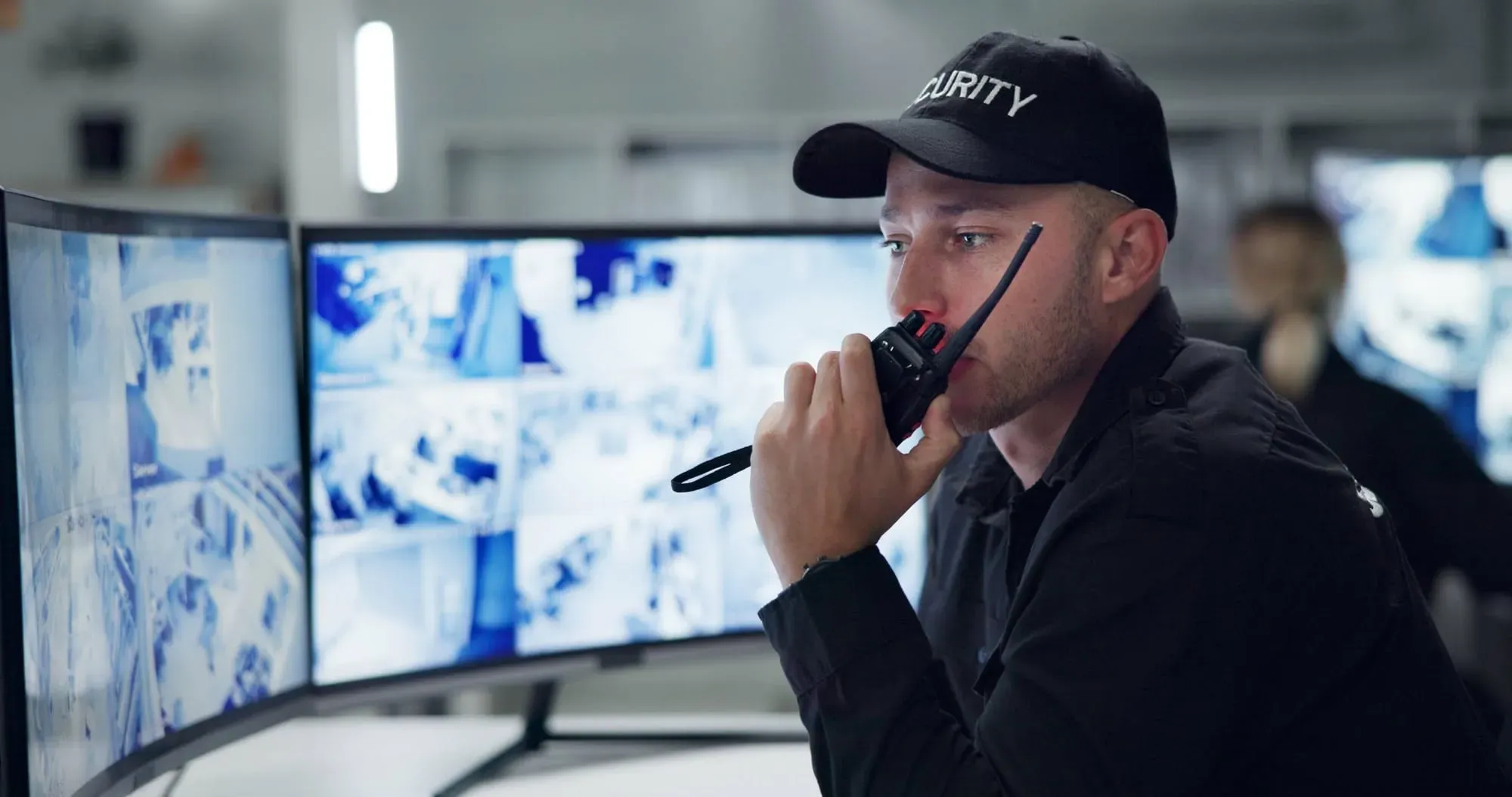
Security guards are often the first people visitors, employees, or customers interact with when entering a property. Because of this, their role goes far beyond monitoring entrances or responding to incidents.
Strong security customer service skills help guards create a safer and more professional environment while also improving the overall experience for the people they assist.
A security guard who communicates clearly, stays calm under pressure, and treats people respectfully can help prevent small issues from escalating. These interactions shape how clients and visitors view both the security team and the organization as a whole.
How Communication Skills Improve Security Performance
Communication is one of the most important parts of effective security customer service. Guards regularly interact with employees, guests, vendors, and emergency responders, so the ability to speak clearly and confidently is essential.
Good communication starts with active listening. When guards take the time to understand concerns before responding, they are more likely to resolve situations effectively. This can be especially important during stressful moments, where misunderstandings may quickly create tension.
Clear communication also improves day-to-day operations. Whether directing visitors, explaining procedures, or reporting incidents, guards who communicate professionally help create smoother interactions and reduce confusion. Over time, this builds trust between security staff and the people they serve.
Research into security training continues to emphasize the importance of communication skills, particularly for guards working in public-facing roles. Proper training helps security professionals respond more effectively while maintaining professionalism in different situations.
Why Professionalism Matters In Security Services
Professionalism has a direct impact on how security personnel are perceived. Clients want to feel confident that the people responsible for safety are capable, reliable, and prepared to handle difficult situations.
Professionalism includes more than appearance. It also involves punctuality, composure, accountability, and respectful behavior. A professional guard remains calm during tense interactions and approaches problems with confidence rather than aggression.
In security customer service, professionalism helps create reassurance. People are more likely to cooperate with guards who treat them respectfully and communicate with authority without being confrontational.
This balance is especially important in environments such as office buildings, residential communities, hotels, and retail spaces where daily interaction with the public is constant.
Studies on security service training have shown that organizations focusing on professionalism often see stronger client relationships and higher satisfaction levels. When guards consistently demonstrate professional behavior, it reflects positively on the entire company.
The Role Of Conflict Resolution In Customer Interactions
Security guards frequently encounter situations that require patience and de-escalation skills. Not every interaction involves an emergency. In many cases, guards are managing frustrated visitors, confused guests, or disagreements between individuals.
Conflict resolution is a major part of effective security customer service because it allows guards to address concerns without unnecessarily escalating tension. This requires emotional control, situational awareness, and the ability to stay respectful even during difficult conversations.
A guard who can calmly explain policies, redirect conversations, and maintain control of a situation is often more effective than someone who immediately responds with forceful behavior. De-escalation protects not only the people involved but also the reputation of the organization.
Building Trust Through Everyday Interactions
Many people associate security work only with emergency response, but everyday interactions often have the greatest impact on public perception. Greeting visitors, providing directions, answering questions, and handling concerns professionally all contribute to a stronger sense of safety and trust.
Strong security customer service creates a more welcoming environment while still maintaining authority and structure. Guards who combine communication skills, professionalism, and sound judgment are better equipped to support both safety and customer satisfaction.
As security roles continue to evolve, these interpersonal skills are becoming just as important as technical training. Organizations that invest in both areas are more likely to build security teams that protect people effectively while also representing the company in a positive and professional way.
How Does Security Guard Training Improve Client Interaction and Conflict Resolution?
Security guard training plays a major role in shaping how guards interact with clients, employees, and the public.
While physical security procedures remain important, modern training programs also place strong emphasis on communication, professionalism, and conflict management.
These skills are essential for maintaining safety while creating positive interactions in everyday situations. Effective security customer service depends on a guard’s ability to remain calm, observant, and respectful under pressure.
Training helps build these qualities by preparing guards for the kinds of real-world scenarios they are likely to face on the job.
Why Client Interaction Skills Matter In Security Roles
Security guards often work in highly visible positions where they interact with people throughout the day. In office buildings, residential communities, retail spaces, and event venues, guards are expected to provide assistance while also maintaining order.
Training programs help guards understand how to approach conversations professionally and respond clearly to questions or concerns. This includes learning how to give directions, explain policies, and handle complaints without creating unnecessary tension.
Strong communication skills also improve confidence. A guard who knows how to manage conversations professionally is more likely to create a calm and cooperative environment.
In many cases, positive communication alone can prevent small misunderstandings from becoming larger issues. Because of this, security customer service has become an increasingly important part of modern guard training programs.
How Training Develops Communication Skills
Many security training programs use practical exercises to improve communication abilities. One common approach is role-playing, where guards practice responding to situations they may encounter on the job.
These exercises can include handling upset visitors, managing access control disputes, or responding to emergency situations. By practicing in a controlled environment, guards learn how to stay composed and communicate effectively even when emotions are running high.
Feedback is another important part of the process. Trainers can evaluate how guards speak, listen, and respond during simulated interactions, helping them improve areas such as tone, clarity, and professionalism.
This type of hands-on preparation is valuable because it builds real experience before guards encounter similar situations in the field. Over time, repeated practice strengthens both confidence and decision-making skills.
Conflict Resolution As A Core Part Of Security Training
Conflict resolution is a major focus in professional security training because guards regularly deal with tense or emotionally charged situations. Instead of reacting aggressively, guards are taught to assess situations carefully and work toward calm resolutions whenever possible.
De-escalation techniques are one of the most important strategies covered in training. Guards learn how to reduce tension through body language, controlled tone of voice, and respectful communication. These techniques help create space for conversation rather than confrontation.
Negotiation skills are also commonly included. In situations where individuals are frustrated or refusing to cooperate, guards may need to guide conversations toward practical solutions while still enforcing policies.
Active listening is another critical part of the process. When people feel heard, they are often more willing to cooperate. Training teaches guards to listen carefully before responding so they can better understand concerns and react appropriately.
The Long-Term Value Of Professional Training
Well-trained guards contribute to more than just physical safety. They also help shape how clients and visitors experience a property or business. Strong communication and conflict resolution skills create a more professional atmosphere and strengthen trust between security personnel and the public.
Organizations that prioritize security customer service often see better outcomes in both client satisfaction and incident management. Guards who are trained to communicate effectively are generally better equipped to handle challenging situations without escalation.
As security responsibilities continue to evolve, training programs that combine technical knowledge with interpersonal skills are becoming increasingly important. This balanced approach helps security professionals protect people while also maintaining a calm, respectful, and professional environment.
What Are The Key Components Of Professionalism In Security Guard Customer Service Training?

Professionalism is one of the most important qualities a security guard can develop. In many environments, guards are the first people visitors, employees, or customers interact with when entering a property.
Because of this, professionalism goes beyond appearance alone. It includes communication skills, behavior, emotional awareness, and the ability to remain calm in difficult situations.
Strong security customer service training helps guards represent their organization in a way that promotes both safety and trust. It prepares them to handle everyday interactions professionally while also responding effectively during stressful situations.
Why Professionalism Matters In Security Roles
Security guards are expected to do more than monitor entrances or patrol buildings. They often assist visitors, answer questions, provide directions, and respond to concerns from employees or customers. Their behavior directly affects how people view the property or business they are protecting.
Professionalism helps create a sense of confidence and stability. When guards communicate clearly, maintain a respectful attitude, and handle situations calmly, people are more likely to feel comfortable and secure.
This is why many companies now place greater emphasis on security customer service as part of their overall training standards. A professional guard can improve both safety and customer experience at the same time.
How Etiquette Is Incorporated Into Security Training
Etiquette plays a major role in security training because first impressions matter in customer-facing environments. Guards are often trained on how to greet visitors, manage conversations professionally, and maintain a courteous tone even during challenging interactions.
Appearance is also part of this process. Proper uniforms, good posture, and professional presentation help reinforce authority while creating a welcoming atmosphere. Training programs typically emphasize consistency, since even small details can influence how clients perceive a security team.
Communication etiquette is equally important. Guards learn how to speak respectfully, listen carefully, and avoid language or behavior that could escalate tension. In office buildings, residential communities, healthcare facilities, and retail settings, these skills help guards interact effectively with a wide range of people.
By focusing on etiquette alongside safety procedures, training programs help security professionals balance authority with approachability.
The Importance Of Emotional Intelligence In Security Work
Emotional intelligence has become an increasingly valuable part of professional security training. This skill involves recognizing emotions, managing reactions, and responding appropriately to the emotions of others.
In real-world situations, guards may encounter frustrated visitors, anxious employees, or individuals dealing with stressful circumstances. A guard who understands emotional cues is often better equipped to calm situations before they escalate.
Training programs frequently teach guards how to stay composed under pressure and avoid reacting emotionally during confrontations. Instead of responding with frustration, guards are encouraged to listen actively, remain respectful, and guide conversations toward solutions.
Empathy also plays a role in emotional intelligence. Guards who can understand another person’s perspective are often more effective at resolving conflicts and building positive relationships with clients and visitors.
Building Trust Through Professional Conduct
Professional behavior creates consistency, and consistency builds trust. Clients want to know that security personnel can handle situations responsibly while maintaining a professional attitude at all times.
Training programs reinforce this through scenario-based exercises, customer interaction practice, and communication workshops. Guards may practice handling complaints, responding to emergencies, or assisting confused visitors in a calm and organized way.
Over time, these experiences help security professionals become more confident in their ability to manage both routine and unexpected situations.
How Professionalism Supports Better Security Customer Service
High-quality security customer service depends on more than technical security knowledge. It also requires patience, professionalism, and strong interpersonal skills. Guards who are well-trained in these areas are better prepared to create positive interactions while still maintaining safety and order.
As the security industry continues to evolve, professionalism remains one of the most valuable qualities employers and clients look for in a security team. Guards who combine strong communication skills with emotional intelligence and proper etiquette help create environments that feel both secure and welcoming.
How Can Tailored Security Guard Training Programs Benefit Businesses And Communities?

Every business and community has different security concerns, which is why customized training programs can make such a significant difference.
A corporate office, residential community, healthcare facility, and retail center all require different approaches when it comes to communication, customer interaction, and incident response. Tailored security guard training programs help prepare personnel for the specific environments they will work in each day.
Instead of relying on general instruction alone, these programs focus on the real situations guards are most likely to encounter. This approach improves both operational effectiveness and the overall experience for clients, employees, and visitors.
As expectations continue to evolve, many organizations now recognize that strong security customer service is just as important as traditional security responsibilities.
Why Customized Training Improves Security Performance
Generic training can provide a foundation, but customized programs create more practical and relevant learning experiences. Guards who understand the unique needs of a business are often better prepared to respond quickly, communicate clearly, and maintain professionalism under pressure.
For example, a security team working in a residential community may need stronger interpersonal communication skills because of frequent interaction with residents and guests.
In contrast, guards at a warehouse or industrial site may focus more heavily on access control and emergency response procedures.
Customized programs also improve situational awareness by teaching guards how to recognize challenges specific to their environment. This helps reduce confusion during incidents and allows personnel to respond more confidently and efficiently.
How Security Customer Service Supports Business Goals
Modern security roles often involve direct interaction with customers, tenants, employees, and visitors. Because of this, security customer service has become an essential part of professional training programs.
Guards are frequently the first people someone encounters when entering a property. A professional greeting, calm communication style, and helpful attitude can immediately create a positive impression. On the other hand, poor communication or unprofessional behavior can negatively affect how people view an organization.
Training programs that emphasize customer service help guards develop stronger communication habits, active listening skills, and conflict management techniques. These skills improve day-to-day interactions while also helping prevent situations from escalating unnecessarily.
For businesses, this creates a more welcoming and secure environment that reflects positively on the organization as a whole.
Building Client Trust Through Professional Training
Trust is one of the most valuable outcomes of effective security training. Clients and community members want to feel confident that security personnel are capable, respectful, and prepared to handle difficult situations appropriately.
Professional training helps guards build that trust by reinforcing consistency in behavior and decision-making. When guards respond calmly during emergencies, communicate clearly, and treat people respectfully, they help strengthen confidence in the organization they represent.
Businesses that invest in ongoing training often see improvements in customer satisfaction and long-term client relationships. People are more likely to return to environments where they feel safe, respected, and professionally supported.
The Role Of Communication And Conflict Resolution
One of the most important areas of tailored training involves communication and conflict resolution. Guards regularly encounter situations that require patience, emotional control, and clear communication.
Training exercises often include realistic scenarios that teach guards how to de-escalate tense interactions, manage complaints, and respond professionally during stressful situations. These exercises help security personnel practice maintaining composure while working toward practical solutions.
By developing these skills, guards become more effective at protecting both people and property without creating unnecessary tension.
Long-Term Benefits For Businesses And Communities
The benefits of tailored training extend beyond immediate security concerns. Businesses gain a more professional and reliable security presence, while communities benefit from safer and more positive interactions with security personnel.
Strong training programs also improve morale among guards themselves. Employees who feel prepared and supported are often more confident in their work and better equipped to handle challenges effectively.
As organizations place greater importance on professionalism and customer experience, security customer service continues to play a larger role in overall business success. Well-trained security personnel not only protect a property but also contribute to a safer, more welcoming environment for everyone involved.
Conclusion
Exceptional security service goes beyond visible presence—it’s rooted in continuous, high-quality training that prepares personnel to handle every situation with professionalism, courtesy, and sound judgment.
For security services that prioritize excellence through ongoing training and real-world preparedness, trust Southeast Security Services.
Ready to experience security that truly serves you? Call (404) 504-7023 or request a free estimate through our website form today. Let our expertly trained team provide the protection, professionalism, and customer care you deserve.
