
A campus is rarely a single building with one entrance to protect. Classrooms, residence halls, parking areas, athletic facilities, libraries, and public spaces create a constantly changing environment where students, employees, visitors, and vendors move throughout the day.
Effective campus security solutions account for that complexity by combining thoughtful protocols, trained personnel, access management, surveillance, emergency communication, and coordinated response planning.
Rather than relying on one security measure, a layered approach can help institutions improve visibility, manage access, identify potential concerns, and respond efficiently when incidents occur.
For schools, colleges, and universities, the objective is not simply tighter security. It is creating a learning environment where appropriate safeguards support daily campus life while helping students, faculty, staff, and visitors feel protected without unnecessary disruption.
Campus Security Solutions for Modern Schools and Universities
What Security Systems Are Essential for Effective Campus Safety?
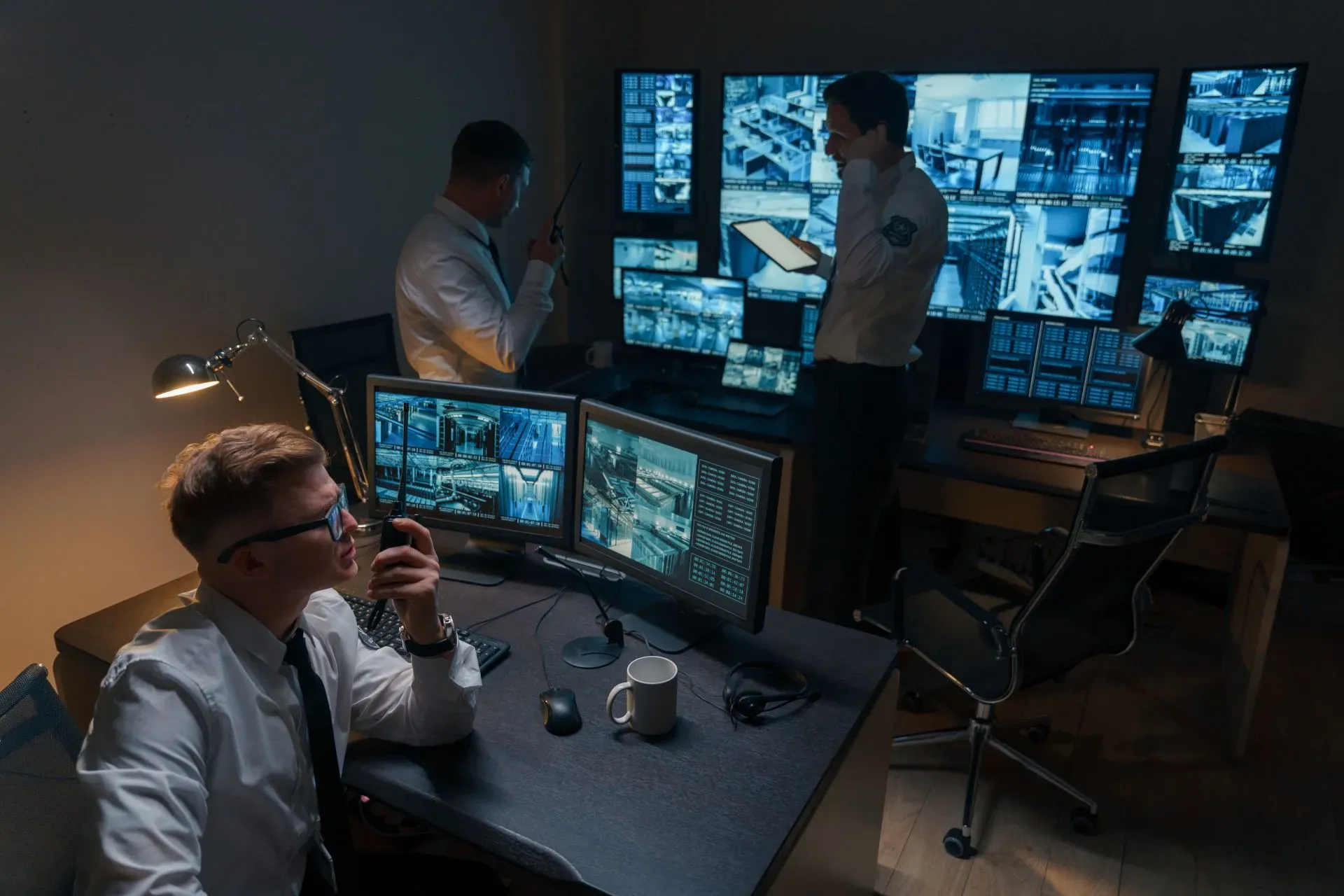
Effective campus security does not depend on a single camera system, locked entrance, or emergency alarm.
Schools and universities are better served by a layered approach in which physical barriers, monitoring technology, access procedures, communication systems, and trained personnel work together.
Each layer has a different job. Access controls help manage who enters a building. Cameras improve visibility and documentation. Alarms and communication systems help people respond when something goes wrong. Security personnel provide judgment that technology cannot supply on its own.
The strongest system is not necessarily the one with the most technology. It is the one designed around the institution’s actual buildings, daily traffic patterns, vulnerabilities, and emergency procedures.
Video Surveillance Should Cover High-Value Areas, Not Simply Add More Cameras
Video surveillance can help security teams monitor entrances, parking areas, hallways, common spaces, and other locations where additional visibility is useful. Recorded footage can also support incident reviews and investigations after an event. Coverage matters more than camera count.
Poorly positioned cameras may leave blind spots, capture unusable images, or monitor areas that provide little security value.
Before installation, schools should identify where people enter and leave, where unauthorized access is most likely, which spaces are difficult for staff to observe, and where previous incidents have occurred.
Monitoring procedures matter as well. A live camera feed provides little operational value if no one knows who is responsible for watching it, what should trigger action, or how information should be communicated to responders.
Some systems now use video analytics to flag movement patterns, restricted-area activity, or other predefined events.
AI-enhanced surveillance systems can support monitoring across larger properties, but automated alerts should be treated as one source of information rather than a substitute for human assessment. Schools also need clear policies governing camera placement, access to recordings, retention, and privacy.
Access Control Should Create Manageable Entry Points
A campus can have sophisticated surveillance and still remain vulnerable if doors are routinely left unsecured or visitors can enter without being noticed. Good access control begins with understanding how the campus functions during a normal day.
Main entrances can be directed through controlled reception areas where appropriate, while staff-only doors may use credentials such as cards or electronic access systems. Visitor procedures should establish how guests enter, identify themselves, receive permission to remain on campus, and return temporary credentials when leaving.
Schools should also plan for deliveries, contractors, after-hours activities, athletics, and community events. A procedure that works during morning arrival may not work during an evening performance when several entrances need to accommodate large numbers of visitors.
Electronic locks can strengthen control, but they must be coordinated with emergency egress and first-responder access. A security measure should never create a new problem by preventing authorized emergency personnel from reaching an area when rapid access is necessary.
Visitor Management Is More Than Signing a Name at the Front Desk
Visitor management becomes effective when the institution can answer three basic questions: Who is on campus, why are they there, and where are they authorized to go?
That may involve identification checks, temporary badges, host confirmation, sign-in procedures, or electronic visitor management platforms, depending on the school’s needs.
Procedures should also define what happens when someone refuses to comply, attempts to enter through another door, remains beyond an authorized period, or appears in a restricted location.
This is where trained personnel remain important. Professional security officers can support entry screening, patrol, incident reporting, and access-control procedures when a campus requires a dedicated security presence.
The technology records or restricts access. People still make many of the decisions.
Emergency Communication Must Reach People Quickly and Clearly
A campus security system also needs a reliable way to communicate once an incident has been identified.
Depending on the campus, that may involve public-address systems, text or mobile alerts, classroom communication systems, duress alarms, radios, visual notifications, or combinations of several channels.
Redundancy is valuable because emergencies do not always occur under ideal conditions. A person may not hear an announcement outdoors.
Cellular service may be disrupted or overloaded. A staff member may be unable to reach a phone. Messages should also tell recipients what action to take rather than simply announcing that an emergency exists.
Schools should decide in advance who has authority to issue alerts, which communication methods will be used for different incidents, and how updates or all-clear messages will be distributed.
Security Systems Need Procedures and People Behind Them
One of the easiest mistakes in campus security planning is treating technology as the complete solution.
A camera cannot decide how staff should respond to suspicious activity. An electronic lock cannot determine whether a visitor has a legitimate reason to enter. An alarm is only useful if people understand what it means and what they are expected to do next.
Schools therefore need written procedures for monitoring, reporting, access control, equipment failures, emergency communication, and escalation. Staff responsible for those systems should also be trained to use them rather than encountering controls for the first time during an emergency.
Regular testing matters too. Cameras can lose alignment, credentials may remain active after employees leave, doors may stop latching correctly, and emergency contact lists can become outdated.
Build Campus Security as an Integrated System
The most useful question is not, “Which security technology should we buy?” It is, “How will each layer detect, delay, communicate, and support a response?”
For one school, improving a poorly controlled entrance may provide more value than installing additional cameras. Another campus may already have strong access control but lack adequate parking-area visibility or reliable emergency communication across multiple buildings.
Effective campus security starts with identifying those gaps. Technology, personnel, procedures, and building design can then be coordinated so that each measure supports the others instead of operating as a collection of disconnected security products.
How Do Security Personnel Support Effective Campus Protection?
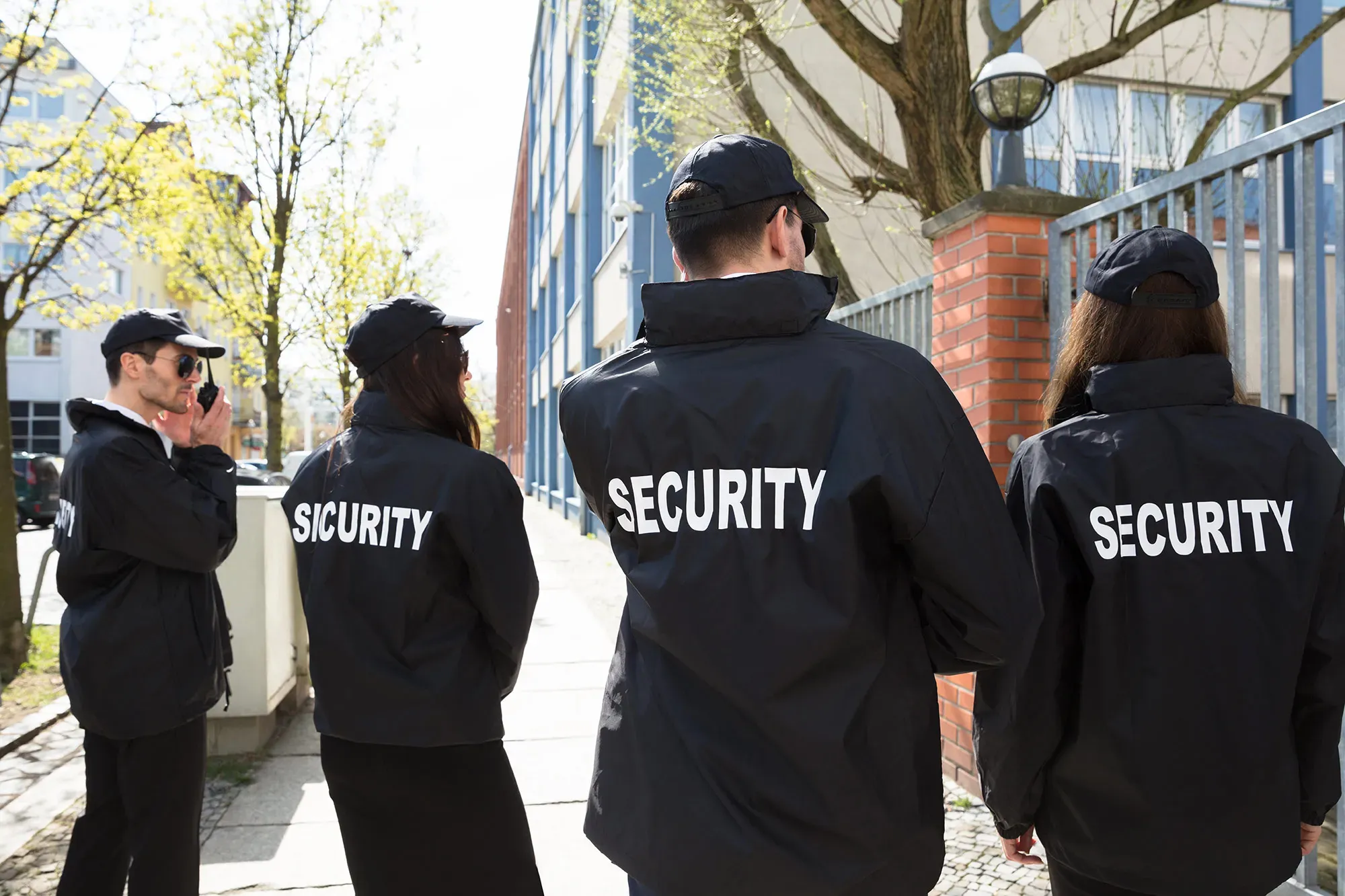
Technology can extend visibility across a school or university, but people still make many of the decisions that determine how well a campus security plan works. Security personnel observe behavior, manage access points, respond to reports, document incidents, assist students and staff, and decide when a situation requires escalation.
Their value is not limited to reacting after something goes wrong. On a well-managed campus, much of the work happens earlier through routine patrol, communication, awareness, and consistent enforcement of security procedures.
That human layer is especially important in educational environments, where security personnel may encounter students, employees, visitors, vendors, parents, event attendees, and members of the public throughout the same day.
Routine Patrols Help Identify Problems Before They Escalate
Campus patrol should be purposeful rather than simply following the same route at fixed intervals.
Officers may check entrances, parking areas, residence halls, academic buildings, athletic facilities, exterior walkways, and other locations based on how the property is used. The goal is to notice conditions that deserve attention before they become larger security concerns.
That might include a door that is not securing properly, someone attempting to enter a restricted area, repeated loitering near a building, unusual activity in a parking lot, or a developing conflict between individuals.
Patrol patterns can also change by time of day. The security needs during morning arrival may differ significantly from those surrounding evening classes, athletic events, or periods when much of the campus is closed.
For campus security to remain effective, deployment should reflect those changing conditions instead of relying on one routine for every shift.
Observation and Situational Awareness Matter More Than Constant Intervention
A security officer does not need to intervene in every unusual interaction. Good judgment begins with observation.
Personnel should be able to distinguish between behavior that is merely unfamiliar and conduct that actually requires attention. Context matters, particularly on a campus where crowds, demonstrations, deliveries, maintenance work, special events, and changing visitor patterns may all be normal.
Situational awareness also involves looking beyond one individual. Officers may need to consider exits, nearby students, environmental hazards, available support, and how an intervention could affect the surrounding area.
This reduces unnecessary escalation while helping personnel recognize situations where delay would create additional risk.
Communication and De-Escalation Are Core Security Skills
Campus personnel regularly interact with people who may be frustrated, confused, emotional, or unwilling to follow a rule. Clear communication can prevent some of those encounters from becoming confrontational.
Effective security communication includes giving simple instructions, explaining boundaries, listening long enough to understand the problem, and maintaining a calm tone even when the other person does not.
Training in conflict resolution, situational awareness, and professional communication is particularly relevant in environments where security officers interact continuously with the public.
De-escalation does not mean ignoring threatening behavior or avoiding enforcement. It means using the lowest level of intervention appropriate to the circumstances while maintaining safety and control.
Campus Security Personnel Need Clearly Defined Authority
One of the most important planning decisions is determining what security personnel are actually authorized to do. Private security officers, campus police, school resource officers, and off-duty law enforcement personnel do not necessarily have the same responsibilities or legal authority.
Institutions should define those roles clearly so staff, administrators, and security teams know who handles different types of incidents.
A private security officer may focus on observation, access control, reporting, patrol, and contacting emergency services. A sworn law enforcement officer may have additional legal authority based on jurisdiction and assignment.
Where a campus uses off-duty police officers for security support, administrators should still establish how those officers fit into the broader emergency plan rather than assuming their presence resolves every security need.
Unclear authority can create hesitation, duplication, or inappropriate responses at the exact moment coordination matters most.
Emergency Response Depends on Defined Escalation Procedures
Security personnel should not have to improvise basic response decisions during an emergency. Protocols should identify when to contact campus leadership, emergency medical services, fire personnel, or law enforcement.
They should also address who communicates with students and staff, who manages access to the affected area, and how responding agencies will be directed to the correct location.
Different events call for different responses. A medical emergency, suspicious package, disruptive visitor, missing student, physical altercation, and active threat cannot all be handled through the same procedure.
Security staff should know both what they are expected to do and when the safest decision is to transfer responsibility to specialized responders.
Incident Reporting Helps Improve Future Security Decisions
A security team’s responsibilities continue after an incident ends. Accurate reports create a record of what occurred, when it occurred, who was involved, what actions were taken, and what follow-up may be necessary. Over time, those reports can reveal patterns that individual events do not.
Repeated incidents near one entrance may indicate an access-control problem. Frequent conflicts during a particular activity may suggest a staffing or supervision issue. Recurring after-hours trespassing may justify changing patrol coverage.
Good reporting therefore supports more than documentation. It helps administrators make better decisions about staffing, procedures, physical security, and future campus security priorities.
Training Should Match the Real Campus Environment
There is no single training checklist that automatically prepares every officer for educational security work.
Requirements vary by jurisdiction, employer, assignment, and whether personnel are private security officers or sworn law enforcement. Beyond any required licensing or certification, training should reflect the situations officers are likely to encounter on the specific campus.
That can include emergency procedures, access-control policies, radio protocols, incident documentation, de-escalation, student interaction, evacuation procedures, and coordination with first responders.
The strongest campus security teams combine those skills with something less visible but equally important: sound judgment.
Guards and officers should know when to observe, when to engage, when to call for support, and when a situation exceeds their role. Technology can provide information, but trained personnel are the ones who interpret that information and turn it into an appropriate response.
What Are the Best Campus Emergency Response Practices?
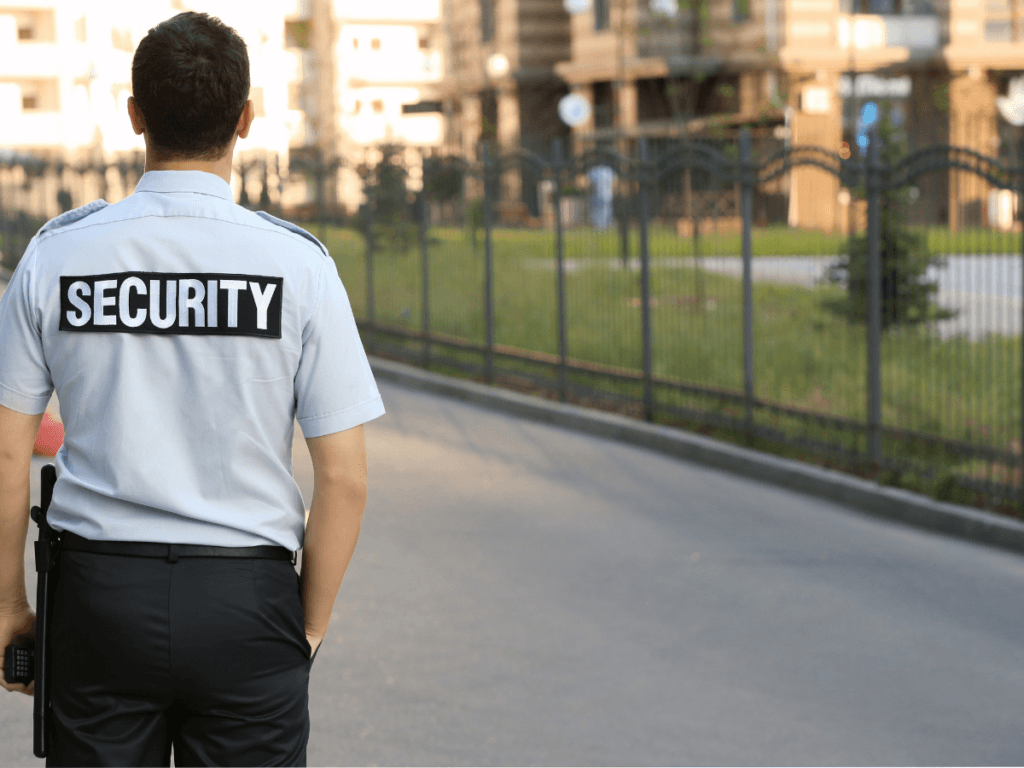
Effective campus security depends on more than having an emergency plan stored in a binder. Schools and universities need a repeatable process for identifying concerning behavior, evaluating risk, communicating during emergencies, coordinating responders, and learning from what happens afterward.
Threat assessment and emergency response serve different purposes. Threat assessment is primarily preventive. It helps institutions evaluate concerning situations before they escalate.
Emergency response begins when an immediate incident requires action. The two should connect, but they should not be treated as interchangeable.
Use a Multidisciplinary Approach to Threat Assessment
Threat assessment works best when responsibility does not fall to one administrator, teacher, counselor, or security officer.
A multidisciplinary team can combine information from campus security, administration, student services, mental health professionals, legal or compliance personnel, and other appropriate departments. The exact membership will vary by institution.
The goal is to evaluate behavior and circumstances rather than relying on labels or intuition.
A concerning statement, for example, should be considered alongside context. What was said? Was a specific target identified? Has behavior changed? Is there evidence of planning, access, fixation, or escalation? Are there protective factors or circumstances that reduce concern?
Threat assessment should focus on gathering enough information to support a proportionate response. Not every troubling comment represents an imminent threat, but dismissing warning signs because they seem ambiguous can also create risk.
Clear reporting pathways make that evaluation easier. Students and staff should know where to report concerning behavior and what kinds of information are useful.
Distinguish Threat Assessment From Immediate Emergency Action
Some situations allow time for structured evaluation. Others do not. If there is an immediate threat to life or safety, emergency procedures should take priority over a prolonged assessment process.
Campus personnel need clear criteria for contacting emergency services, notifying leadership, initiating protective actions, and communicating with the campus community.
This distinction helps prevent confusion during fast-moving situations. A well-developed campus security plan should identify who has decision-making authority, what actions different personnel can initiate, and how responsibility shifts when police, fire, or emergency medical services arrive.
Emergency Plans Should Address Multiple Types of Incidents
Emergency planning should not revolve around one worst-case scenario. Campuses may face severe weather, fires, medical emergencies, hazardous materials incidents, suspicious packages, violence, missing persons, utility failures, or other disruptions.
Although the response will differ, many incidents rely on the same underlying capabilities: rapid communication, clear command structure, accountability, safe movement, and coordination with outside responders.
Plans should define what actions are available, such as evacuation, sheltering in place, or restricting movement, without assuming that one response is appropriate for every emergency.
Building layouts matter too. A procedure that works in a single academic building may not translate directly to a university campus with residence halls, athletic facilities, laboratories, parking structures, and outdoor gathering areas.
Drills Should Test Decisions, Not Just Compliance
Regular drills help turn written procedures into familiar actions, but repetition alone does not guarantee readiness. A useful exercise should test whether participants understand what to do when conditions are not perfectly predictable.
For example, what happens if a normal exit is unavailable? Can an alert reach outdoor areas as well as classrooms? Do substitute teachers, contractors, event staff, and visitors receive the information they need? Can administrators account for people who have moved to alternative locations?
Not every exercise needs to be a large-scale simulation. Tabletop exercises can be especially useful for administrators, security teams, communications staff, and emergency partners because they allow participants to work through decisions without disrupting the entire campus.
Drills should also be appropriate for the age and needs of the people involved. Preparation should build familiarity with procedures without creating unnecessary fear.
Emergency Communication Needs Clear Authority and Backup Channels
During a crisis, delayed or contradictory information can create additional problems.
Institutions should establish who can issue alerts, what systems will be used, and how messages will change as new information becomes available. Communication plans should also include backup methods in case one system fails.
The first message does not need to explain every detail. It needs to tell people what is happening at the level necessary for safety and what action they should take. Later updates can provide additional instructions, changes in protective actions, reunification information, or an all-clear.
Consistency between campus leadership, security personnel, and responding agencies is particularly important. Different groups should not be sending conflicting directions during the same incident.
Document Incidents and Review the Response
Emergency planning should continue after the immediate danger has passed. Accurate security incident reporting can help capture what happened, who responded, what actions were taken, and where communication or procedures broke down.
After-action reviews should look beyond whether the incident was ultimately resolved. Did alerts reach the intended audience? Were roles clear? Did responders have access to the necessary buildings?
Were emergency contact lists current? Did staff improvise because a written procedure did not match the real situation? Those findings should lead to specific updates in training, staffing, communication, or physical security rather than simply being filed away.
Treat Emergency Preparedness as an Ongoing Campus Security Process
Campus risks, facilities, technology, and populations change over time. Emergency plans need to change with them.
A new building can create unfamiliar evacuation routes. Staff turnover can leave important roles unassigned. A new access-control system may alter how first responders enter the property. An incident on or near campus may reveal a vulnerability that previous planning did not identify.
Effective campus security therefore relies on a cycle of assessment, planning, practice, response, documentation, and revision.
The objective is not to predict every possible emergency. It is to build an organization that can recognize risk early, make decisions quickly, communicate clearly, and adapt when real conditions differ from the plan.
How Is Rapid Response Coordinated During Campus Security Incidents?
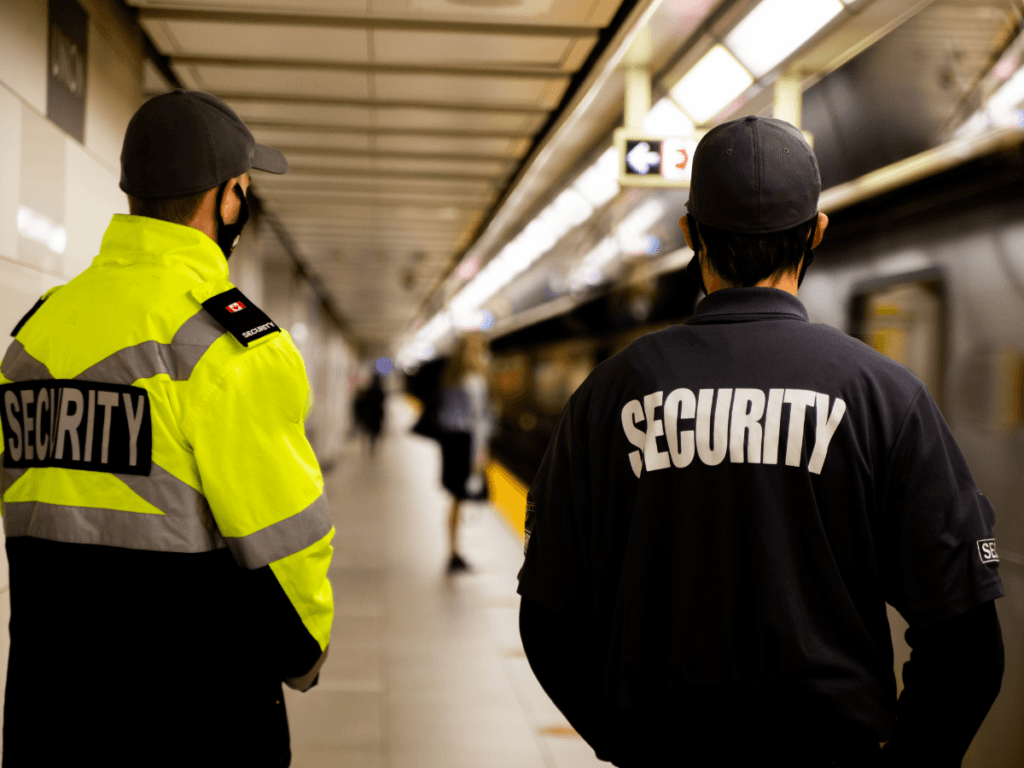
Rapid response depends less on any one person acting quickly and more on multiple people knowing what information to share, who has authority to make decisions, and when responsibility should transfer to emergency responders.
During a serious campus security incident, confusion can cost valuable time. Security personnel may be managing the scene while administrators issue alerts, staff protect students, dispatchers relay information, and police, fire, or emergency medical services travel to the campus.
Those efforts need to function as one response rather than several disconnected actions.
The foundation is established well before an emergency occurs through defined roles, reliable communication channels, accurate campus information, and practiced coordination procedures.
The First Report Should Trigger a Clear Response Process
The first information about an incident may come from a security officer, employee, student, emergency call, alarm, surveillance system, or another source.
That information needs to reach the appropriate decision-makers quickly.
Initial reports should communicate the most important known facts without delaying action while staff search for perfect information. Depending on the incident, responders may need to know:
- the exact location
- what has been observed or reported
- whether anyone appears injured
- descriptions of people or vehicles involved
- known hazards
- whether the situation is continuing or has changed
A predefined reporting chain helps prevent information from getting stuck between departments or being passed through so many people that important details become distorted.
Establish Who Is Directing the Campus Response
A fast response can become disorganized when several people believe they are in charge.
Campuses should identify who has authority to initiate emergency procedures, restrict access, issue alerts, request outside assistance, and make other time-sensitive decisions. Backup personnel should be designated in case the primary decision-maker is unavailable.
This internal leadership structure does not replace the authority of police, fire, or emergency medical personnel once they arrive and assume responsibility for functions within their jurisdiction.
Instead, it ensures that the campus can take appropriate protective action during the period between recognizing an emergency and receiving outside assistance. For campus security teams, this means understanding both their responsibilities and the limits of their role.
Security Personnel Can Help Stabilize the Scene Before Responders Arrive
What security personnel do during the first few minutes depends heavily on the nature of the incident, their training, and their legal authority.
Their responsibilities may include calling emergency services, restricting people from entering a hazardous area, directing occupants away from danger, providing responders with updated information, or managing access points.
The objective is not for private security personnel to take over specialized law enforcement, firefighting, or medical duties. It is to support an organized response while avoiding actions that create additional risk.
For example, preventing crowds from moving toward an incident may be just as important as approaching the incident itself.
Communication Should Use a Shared, Consistent Operating Picture
One of the hardest parts of an unfolding emergency is that information changes quickly. A first report may be incomplete. The location may shift. Witness accounts may conflict. An initial assumption may turn out to be wrong.
Campus security therefore needs a method for updating information without allowing outdated details to continue circulating as fact.
Radio traffic, emergency notifications, administrator communication, and reports to responding agencies should distinguish between what has been confirmed and what remains uncertain.
Short, direct communication is especially important under pressure. Personnel need information they can act on, not long explanations.
Consistency matters as well. If one group is being told to evacuate while another is told to remain in place without a clear reason, conflicting instructions can complicate the response.
Responders Need Fast Access to the Right Location
Large campuses can create practical problems for police, fire, and medical responders. A university may include multiple entrances, similar building names, residence halls, athletic facilities, parking decks, service roads, locked gates, and spaces that are difficult to reach from the main entrance.
Emergency planning should account for how responders will find the correct location quickly.
Security or designated campus personnel may need to meet emergency vehicles, open controlled entrances, direct responders to a building, provide keys or access credentials, or identify hazards that are not obvious from outside.
Accurate building names, room numbers, maps, and access information become particularly important when outside responders are unfamiliar with the property.
Campus Alerts and Responder Communication Serve Different Purposes
Emergency communication with students and employees should be coordinated with operational communication among responders, but the two audiences do not need identical information.
Security personnel may need detailed descriptions, locations, and tactical updates. The broader campus community generally needs clear instructions about what action to take.
An effective alert might tell people to avoid a building, remain inside, evacuate through a particular route, or wait for further instructions. Sending unverified operational details to everyone can create confusion or interfere with response efforts.
Campus leadership should therefore establish who approves public-facing alerts while ensuring that urgent protective instructions are not delayed unnecessarily.
Transition Smoothly to Police, Fire, or Medical Command
When outside agencies arrive, campus personnel become an important source of local knowledge. They can provide information about building access, surveillance coverage, occupancy, campus layouts, utilities, witnesses, or what occurred before responders arrived.
A clean handoff is critical. Responders should know what actions have already been taken, what remains unresolved, and who can provide campus-specific information. Security staff may then support perimeter control, access management, evacuation, traffic direction, or other functions as requested.
Coordination Is What Makes Rapid Response Possible
Rapid response is sometimes described as a matter of speed, but speed without coordination can create conflicting actions and incomplete information.
Strong campus security response depends on predefined authority, concise reporting, reliable communication, controlled access, responder coordination, and a clear transition of responsibility as an incident develops.
When those pieces are established in advance, personnel do not have to invent a command structure during the emergency itself. They can concentrate on the immediate problem, share useful information, and support the people and agencies responsible for bringing the incident under control.
What Should Security Consulting Accomplish for Schools and Universities?
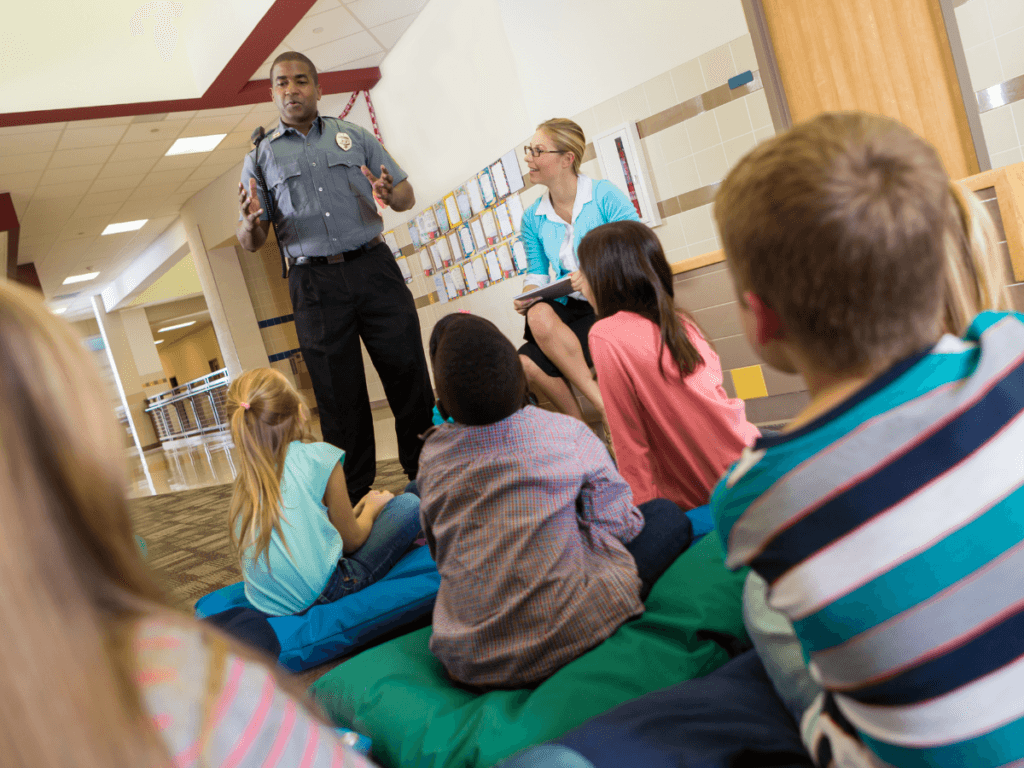
Security consulting is most useful when it turns broad safety concerns into specific, prioritized actions. A school may know it has problems with uncontrolled entrances, inconsistent visitor procedures, weak parking-area visibility, or unclear emergency responsibilities without knowing which issue deserves attention first.
A structured assessment can help separate immediate vulnerabilities from longer-term improvements and identify where existing personnel, procedures, or technology are not working together effectively.
Start With How the Campus Actually Operates
A useful assessment should reflect normal campus activity rather than evaluate the property as an empty collection of buildings.
Consultants may need to consider arrival and dismissal patterns, residence halls, athletic events, public entrances, after-hours access, deliveries, parking, pedestrian routes, special events, and buildings with different access requirements.
A university with an open urban campus faces different challenges from a controlled K-12 property. Even buildings on the same campus may require different approaches.
The assessment should identify vulnerabilities, but it should also consider how proposed changes would affect everyday operations. A theoretically secure entrance procedure has limited value if normal traffic makes it impossible to follow consistently.
Recommendations Should Be Prioritized, Not Simply Listed
A long report containing dozens of security recommendations can leave administrators with another problem: deciding what to do first.
Useful consulting distinguishes between urgent weaknesses, practical near-term improvements, and longer-term investments.
For example, fixing a door that routinely fails to latch may deserve attention before purchasing another surveillance camera. A communication problem revealed during an emergency exercise may require procedural changes rather than new hardware.
Recommendations should also identify dependencies. Installing electronic access control, for instance, may require new credential procedures, staff training, visitor processes, emergency access planning, and ongoing administration.
That makes risk management a sequence of coordinated improvements rather than a shopping list of security products.
Reassess After Important Changes
Security conditions are not static.
Construction, enrollment changes, new residence halls, staffing changes, altered traffic patterns, major events, or a significant incident can change the campus risk picture. Periodic reviews can help determine whether existing controls still fit current operations.
The purpose is not to continually redesign campus security. It is to catch situations in which the assumptions behind an older plan are no longer accurate.
How Can Schools and Universities Choose the Right Campus Security Provider?
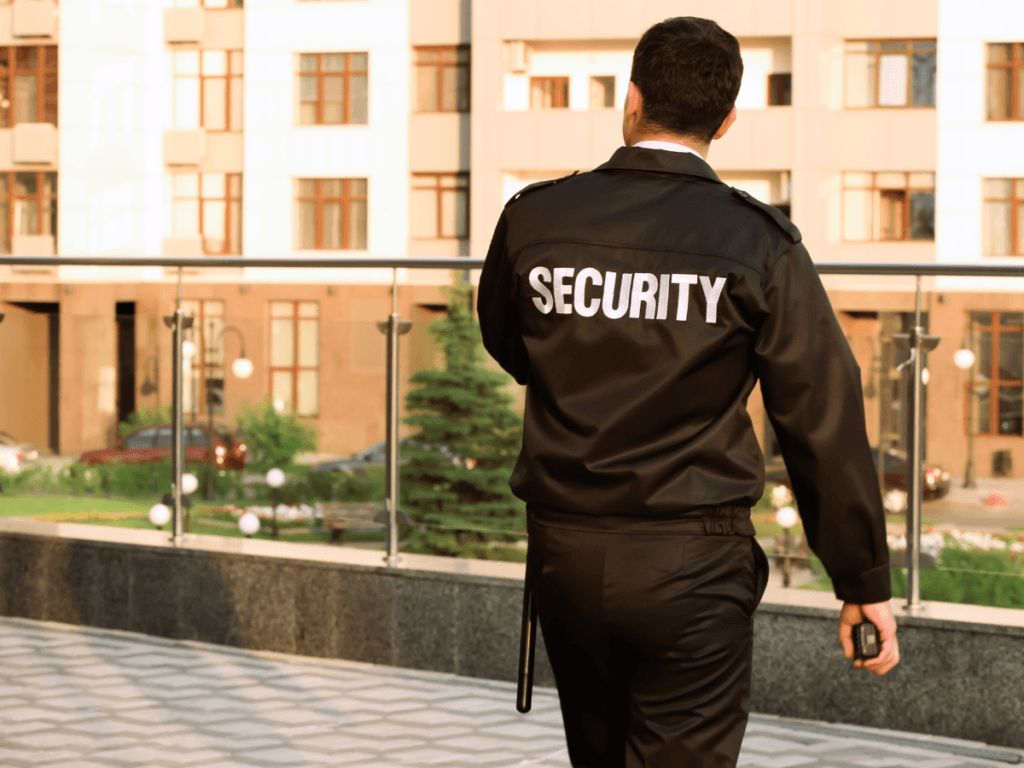
Choosing a provider requires more than comparing hourly guard rates or counting the number of services listed on a website.
Schools should evaluate how well a provider understands the proposed assignment, how personnel will be selected and supervised, what communication and reporting will look like, and how the provider will fit within the institution’s broader safety structure.
Compare the Proposed Scope of Service
Proposals are easier to compare when each provider explains what the quoted service actually includes.
Administrators should look for details such as:
- number and type of personnel
- scheduled hours and coverage areas
- patrol and access-control responsibilities
- supervisory structure
- incident reporting procedures
- replacement coverage for absences
- communication and escalation expectations
- equipment or technology included in the assignment
A lower price may represent fewer hours, less supervision, or a narrower scope. Cost comparisons only become meaningful once the services being compared are reasonably equivalent.
Ask How Personnel Are Screened and Prepared
Schools involve minors, young adults, employees, families, visitors, and members of the public, which makes personnel selection especially important.
Institutions should ask what screening applies to assigned officers, what training is required, and whether preparation is tailored to the specific environment.
Depending on the role, background screening may also be relevant for employees, contractors, vendors, or other individuals placed in trusted positions. Schools should confirm that any screening process complies with applicable employment, privacy, and legal requirements.
Training questions should go beyond whether guards hold required credentials. Administrators can ask about communication, de-escalation, access control, emergency procedures, documentation, and interaction with students and visitors.
Evaluate Supervision and Accountability
The officer visible on campus is only one part of the service. Schools should know who supervises the assignment, how frequently performance is reviewed, how incidents are escalated, and what happens when an officer is absent or unsuitable for the post.
Reporting deserves particular attention. Administrators should understand what information they will receive, how quickly significant incidents are reported, and whether recurring problems can be identified from patrol or incident records.
A provider should also have a clear process for changing deployment when campus needs change.
Check Experience Without Relying on Marketing Claims
Experience can matter, but broad claims such as “decades of expertise” are less useful than understanding who will oversee the account and how that background applies to the campus assignment.
Southeast Security Services states that it was founded by professionals with law enforcement backgrounds and provides several types of private security and investigative services.
For an educational institution evaluating the company, those credentials should still be considered alongside the proposed staffing model, supervision, training, scope, and fit for the specific campus. No provider’s leadership background should replace that evaluation.
Customized Plans Should Respond to Identified Risks
“Customized security” should mean more than choosing between armed and unarmed guards. A tailored plan connects staffing, patrol routes, access responsibilities, reporting procedures, technology, operating hours, and escalation protocols to risks identified at the property.
One campus may need greater coverage during evening classes and parking-lot departures. Another may have strong perimeter controls but struggle with visitor access during athletics and public events.
A third may need better coordination among existing guards, administrators, and emergency responders rather than additional personnel. That is why choosing a campus security provider should begin with the institution’s risk profile, not the provider’s service menu.
The best fit is a company that can explain what problem each recommended measure is intended to solve, how performance will be monitored, and how the security plan can adjust as conditions change.
Conclusion
Creating a safer learning environment requires a thoughtful campus security strategy that addresses everyday risks while preparing schools and universities for unexpected situations.
Trained security personnel, access control, routine patrols, visitor management, surveillance systems, and clear emergency procedures can work together to strengthen protection without unnecessarily disrupting the educational environment.
Because every campus has different facilities, schedules, and security concerns, professional assessment can help identify the most appropriate measures. For customized campus security solutions and experienced protection services, choose Southeast Security Services.
If you’re ready to strengthen safety across your school or university campus, call (404) 504-7023 to speak with the team at Southeast Security Services or fill out the website form to request your free estimate today.