
Every parent wants their child to feel confident, independent, and safe. One of the most important parts of that safety is helping children understand how to recognize potentially dangerous situations and respond appropriately when something feels wrong.
These conversations can be challenging, but they play a critical role in building awareness and good decision-making skills.
Teaching kids about stranger danger goes beyond warning them not to talk to strangers. It involves helping children identify trusted adults, understand personal boundaries, recognize manipulation tactics, and know what to do if they feel unsafe. The goal is to educate without creating unnecessary fear.
With age-appropriate guidance and ongoing conversations, parents can give children practical safety skills that help protect them while navigating everyday situations with greater confidence.
Teaching Stranger Danger in a Calm, Practical Way
What Stranger Danger Rules Should Every Child Know?
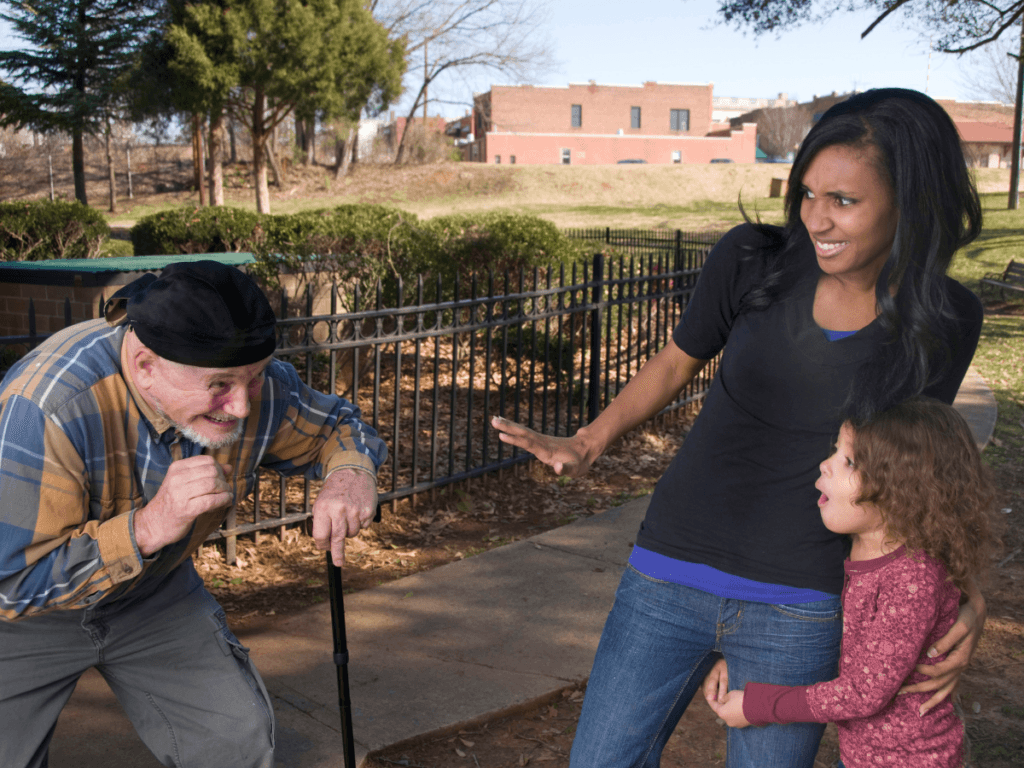
Teaching children about stranger danger is an important part of helping them stay safe and confident as they navigate the world around them.
Rather than creating fear of all unfamiliar people, the goal is to help children recognize risky situations, make safe decisions, and know where to turn for help when they need it.
Some of the most important stranger danger rules include understanding who their trusted adults are, staying with friends or family in public places, and knowing that they should never go anywhere with someone they do not know without a parent or guardian’s permission.
Children should also learn that it is okay to say “no,” move away, and seek help if a situation makes them uncomfortable.
Research has shown that structured safety education can improve a child’s ability to recognize potentially dangerous situations and respond appropriately.
When children are taught practical safety strategies and given opportunities to practice them, they are often better prepared to make safe choices in real-world situations.
How To Teach Children About Personal Safety Effectively
Children tend to learn best through conversation, repetition, and hands-on practice. Instead of relying on a single discussion, parents and caregivers can make personal safety an ongoing topic that feels approachable and age-appropriate.
One effective method is role-playing. For example, parents can walk through common scenarios, such as being approached by someone asking for help, offered a ride home, or invited to look for a lost pet.
Practicing responses in a safe environment helps children build confidence and develop decision-making skills they can use if they ever encounter a similar situation.
Open communication is equally important. Children should know they can talk to a trusted adult about anything that makes them feel confused, worried, or uncomfortable. When parents encourage questions and listen without judgment, children are more likely to share concerns before a problem escalates.
Repetition also plays a key role. Revisiting stranger danger concepts regularly helps children remember what to do and reinforces the idea that personal safety is an ongoing responsibility rather than a one-time lesson.
Why Stranger Danger Education Should Focus On Situations, Not Just Strangers
Modern child safety experts often emphasize that safety education should focus on behaviors and situations rather than simply labeling all strangers as dangerous. Most unfamiliar people are harmless, and children may need assistance from people they do not know in certain situations.
For example, if a child becomes separated from their family in a store, they should feel comfortable approaching a safe adult for help.
Teaching children how to identify trusted community helpers, such as police officers, teachers, store employees, or other parents with children nearby, can help them make safer decisions during emergencies.
This approach allows children to develop practical safety skills while avoiding unnecessary fear of everyone they do not know.
Key Child Stranger Awareness Tips For Everyday Situations
Everyday activities provide opportunities for children to apply what they have learned about stranger danger. Whether they are walking home from school, playing at a park, or participating in community activities, understanding basic safety habits can help them stay aware and prepared.
One of the most important lessons is learning to identify safe adults before an emergency happens. Children should know who they can approach for help and where they can go if they feel unsafe.
They should also learn to recognize warning signs, such as an adult asking them to keep a secret, offering gifts without permission, requesting help that should come from another adult, or encouraging them to leave a safe area.
Teaching children to trust their instincts when something feels wrong can be a valuable part of their overall safety toolkit.
Finally, children should know exactly how to seek help. This includes making noise, moving toward other people, finding a trusted adult, and contacting a parent or guardian as quickly as possible.
Building Confidence Through Safety Education
The purpose of stranger danger education is not to make children fearful. Instead, it is to give them the knowledge and confidence to respond appropriately in unfamiliar situations.
By teaching practical safety skills, encouraging open communication, and regularly practicing real-world scenarios, parents can help children develop awareness without anxiety.
When children understand stranger danger in a balanced and realistic way, they are better equipped to recognize risks, seek help when necessary, and move through everyday life with greater confidence and security.
How Can Parents And Communities Collaborate To Enhance Child Safety?

Keeping children safe is most effective when parents, schools, neighbors, and community organizations work together. While families play a central role in teaching personal safety skills, community involvement helps reinforce those lessons and creates a stronger support system for children wherever they go.
When parents communicate regularly with teachers, coaches, caregivers, and other trusted adults, children benefit from consistent safety expectations.
This shared approach helps reinforce important concepts related to stranger danger, personal boundaries, and how to respond when something feels wrong. It also makes it easier for adults to identify potential concerns and address them before they become serious problems.
Communities that prioritize child safety often foster a greater sense of awareness and responsibility. When neighbors know one another, watch out for local children, and participate in safety initiatives, families can feel more confident about the environments where their children learn, play, and socialize.
What Community Safety Programs Support Kid Protection?
Many communities offer programs designed to educate families and promote child safety. These initiatives often go beyond traditional stranger danger lessons by teaching practical skills that children can apply in everyday situations.
Safety fairs, school workshops, neighborhood watch programs, and youth education events frequently provide age-appropriate guidance on topics such as recognizing unsafe situations, seeking help from trusted adults, and practicing safe decision-making.
Some programs also include role-playing exercises, which allow children to practice responses to realistic scenarios in a supportive environment.
For parents, these programs can be valuable resources for learning current safety recommendations and connecting with other families who share similar concerns.
Participation also helps strengthen relationships between residents, schools, and local organizations, creating a more unified approach to child protection.
How Residential Security Measures Contribute To Child Safety
While education is a key component of child safety, a secure home environment provides another important layer of protection. Residential security measures can help parents monitor activity around the home and reduce opportunities for unwanted access.
Modern security technology offers several tools that can support family safety. Smart locks, for example, allow homeowners to control who can enter the property and can provide notifications when doors are unlocked.
This added visibility can be particularly helpful for families with older children who may arrive home before their parents.
Security cameras positioned around entry points can also increase awareness of activity around the property. In addition to discouraging unwanted visitors, these systems can provide valuable information if an incident occurs.
Many modern camera systems allow homeowners to view live footage remotely, helping them stay connected even when they are away from home.
Motion sensors and automated alerts add another layer of security by notifying homeowners when unexpected movement is detected around the property. These tools can help families respond quickly to unusual situations and maintain greater awareness of their surroundings.
Creating A Safer Environment Through Prevention
The most effective child safety strategies combine education, communication, and prevention. Teaching children about stranger danger is important, but those lessons are even more effective when supported by a community that actively prioritizes safety.
Parents can strengthen these efforts by maintaining open conversations with their children, encouraging them to speak up about concerns, and regularly reviewing family safety plans.
At the same time, involvement in local programs and neighborhood initiatives helps create an environment where children are supported by multiple layers of protection.
Building A Community Culture Of Safety
Child safety is not solely the responsibility of parents. Schools, community organizations, neighbors, and local leaders all play important roles in helping children stay safe. When communities work together, children gain access to consistent guidance, trusted support networks, and safer environments overall.
By combining practical stranger danger education with community engagement and residential security measures, families can create a more comprehensive approach to protection.
These efforts not only reduce risks but also help children develop the confidence and awareness they need to navigate the world safely and responsibly.
What Role Do Professional Security Services Play In Kidnap Prevention For Children?

While parents and communities form the foundation of child safety, professional security services can provide an additional layer of protection for families with specific concerns or unique circumstances.
These services are designed to assess risks, identify vulnerabilities, and develop proactive strategies that help reduce the likelihood of dangerous situations.
Professional security providers often take a preventative approach rather than simply responding to threats after they occur. This can include evaluating daily routines, reviewing home security measures, identifying potential safety gaps, and educating family members on best practices.
When combined with ongoing stranger danger education, these services can help create a more comprehensive child protection plan.
For families seeking greater peace of mind, working with experienced security professionals can provide practical guidance tailored to their specific lifestyle, neighborhood, and safety concerns.
How Southeast Security Services Tailors Child Protection Security Plans
Every family faces different challenges, which is why a one-size-fits-all approach to child safety is rarely effective. Professional providers such as Southeast Security Services focus on creating customized security plans that address each family’s unique circumstances.
The process typically begins with a thorough assessment of potential risks. This may include evaluating residential security, reviewing school and transportation routines, and identifying areas where additional precautions may be beneficial.
Based on these findings, security professionals can recommend specific strategies designed to strengthen protection without disrupting daily life.
Many customized plans also incorporate education for both parents and children. This may include age-appropriate stranger danger training, guidance on recognizing suspicious behavior, emergency response planning, and techniques for improving situational awareness.
By combining physical security measures with practical education, families are better prepared to respond confidently if concerns arise.
How Professional Guidance Supports Everyday Child Safety
One of the greatest benefits of working with security professionals is access to expert advice that can be applied in everyday situations. Rather than focusing solely on worst-case scenarios, security consultants often help families develop habits and routines that improve safety over time.
For example, families may learn how to establish clear communication plans, identify safe locations within their community, and create procedures for handling unexpected situations.
Children can benefit from learning practical safety skills that reinforce stranger danger awareness while helping them feel confident rather than fearful.
This proactive approach helps families focus on prevention, which is often the most effective way to reduce risks before they become serious concerns.
Case Studies Demonstrating Security Services In Child Safety
Real-world examples show how personalized security planning can improve family confidence and preparedness.
Families that have worked with professional security providers often report feeling better equipped to address safety concerns because they have clear plans in place and understand how to respond if a situation develops.
In many cases, the value comes not from responding to an actual threat but from identifying potential vulnerabilities before they can be exploited.
Whether that involves improving home security, strengthening supervision practices, or enhancing stranger danger education, professional guidance can help families make informed decisions about protecting their children.
These experiences highlight the importance of prevention-focused planning and demonstrate how expert support can complement the efforts already being made by parents, schools, and communities.
Combining Education And Security For Stronger Protection
Effective child safety requires multiple layers of protection. Teaching children about stranger danger remains one of the most important steps parents can take, but education is most effective when paired with practical safety measures and ongoing awareness.
Professional security services can help families build on these efforts by providing customized recommendations, security assessments, and child-focused safety training. Together, these strategies create a more complete approach to protection that addresses both prevention and preparedness.
By combining stranger danger education, community support, and professional security planning, families can create a safer environment where children are empowered to recognize risks, make smart decisions, and navigate the world with greater confidence.
What Are Common Questions About Teaching Kids Stranger Danger?

Teaching children about stranger danger is an important responsibility, but many parents are unsure how to approach the topic without creating unnecessary fear.
The goal is not to make children suspicious of everyone they meet, but rather to help them recognize unsafe situations, trust their instincts, and know how to respond when something feels wrong.
Many questions about stranger danger focus on finding the right balance between awareness and confidence. Children need practical safety skills that they can apply in everyday life while still feeling comfortable interacting with the world around them.
By using age-appropriate conversations and regular practice, parents can help children build these skills over time.
How Do I Teach My Child About Stranger Danger Safely?
One of the most effective ways to teach stranger danger is through open, ongoing conversations rather than a single serious discussion. Children often absorb information more effectively when it is presented in a calm and supportive manner.
Start by using language that matches your child’s age and level of understanding. Younger children may benefit from simple explanations about trusted adults, personal boundaries, and what to do if someone makes them uncomfortable.
Older children can handle more detailed discussions about safety risks, peer pressure, and decision-making in unfamiliar situations.
Practice is equally important. Talking through realistic scenarios can help children understand how to respond if they are approached by someone they do not know, become separated from a parent, or encounter a situation that feels unsafe.
These conversations make stranger danger lessons more practical and easier to remember. Parents should also encourage children to ask questions and share concerns openly.
When children know they can discuss uncomfortable experiences without fear of getting in trouble, they are more likely to seek help when they need it.
Why Situational Awareness Matters More Than Fear
Modern child safety education often focuses on awareness rather than fear. Instead of teaching children that all strangers are dangerous, it is more helpful to teach them how to recognize behaviors that may signal a problem.
For example, children should understand that adults should not ask them for help finding a lost pet, offer gifts without permission, ask them to keep secrets from their parents, or encourage them to leave a safe area. These behavioral warning signs are often more useful than simply labeling someone as a stranger.
This approach helps children develop confidence and critical thinking skills while still reinforcing important stranger danger principles.
What Are Signs Of Child Abduction Risk To Watch For?
Parents can also strengthen child safety by understanding some common warning signs that may indicate increased risk. While most interactions with unfamiliar people are harmless, certain behaviors should raise concern.
Adults who show an unusual interest in children, attempt to isolate a child from others, or repeatedly try to establish contact without a clear reason may warrant closer attention.
Parents should also be aware of environmental factors that can create vulnerabilities, such as isolated playgrounds, poorly lit areas, or locations with limited supervision.
Monitoring these situations does not require constant fear or suspicion. Instead, it involves maintaining reasonable awareness and taking proactive steps to reduce unnecessary risks.
How Can Parents Encourage Vigilance Without Creating Anxiety?
One challenge many parents face is teaching stranger danger without making children fearful. The key is to focus on empowerment rather than danger.
Children should understand that they have the right to say no, move away from uncomfortable situations, and seek help from trusted adults.
Teaching them to trust their instincts can be especially valuable. If something feels wrong, they should know it is okay to leave the situation and tell a parent, teacher, or another trusted adult.
Reinforcing these messages regularly helps children develop confidence in their ability to make safe decisions.
Building Confidence Through Stranger Danger Education
The most effective stranger danger education helps children feel prepared rather than frightened. By combining open communication, age-appropriate lessons, and practical safety exercises, parents can teach valuable personal safety skills that children can use throughout their lives.
When children understand how to recognize warning signs, identify trusted adults, and respond appropriately to uncomfortable situations, they are better equipped to protect themselves while maintaining confidence and independence.
Conclusion
Teaching children about stranger danger is an important part of helping them build confidence, awareness, and safe decision-making skills.
By having age-appropriate conversations, practicing real-world safety scenarios, and encouraging open communication, parents and caregivers can help children better recognize potentially dangerous situations and respond appropriately.
While education is a critical first step, partnering with trusted security professionals can provide additional peace of mind for families, schools, and communities.
For dependable security solutions and professional protection services, choose Southeast Security Services. Ready to enhance the safety and security of your property? Call (404) 504-7023 or fill out the website form to request your free estimate today.