When the facts matter, relying on assumptions can lead to costly mistakes. Whether the concern involves fraud, employee misconduct, insurance claims, or personal matters, gathering accurate information often requires a professional, objective approach.
Discreet surveillance allows investigators to document activities lawfully while minimizing the chance of influencing the situation being observed.
Discreet surveillance services for investigations combine careful planning, advanced technology, and experienced fieldwork to collect reliable evidence without drawing unnecessary attention.
Every case requires a tailored strategy that balances thorough documentation with privacy, legal compliance, and professionalism.
This guide explains how surveillance investigations work, when they’re commonly used, and why professional surveillance can provide the clarity and evidence needed to support informed decisions.
How Surveillance Services Help Gather Reliable Evidence
What Are Discreet Surveillance Services and When Are They Used?

Discreet surveillance services involve carefully planned observation conducted to gather factual information while minimizing the likelihood of detection.
Licensed private investigators use these services to document activities, verify claims, or establish timelines in situations where firsthand evidence is difficult to obtain.
People often seek surveillance services when they need objective information rather than assumptions. Common examples include suspected infidelity, child custody disputes, insurance fraud investigations, employee misconduct, missing person cases, and corporate investigations.
The goal is not to invade someone’s privacy indiscriminately, but to legally collect relevant evidence that helps clients make informed personal, legal, or business decisions.
Professional surveillance requires far more than simply following someone. Successful investigations involve careful planning, risk assessment, knowledge of local laws, detailed documentation, and the ability to adapt as situations change.
Experienced investigators know how to observe without interfering, record events accurately, and preserve evidence that may later be reviewed by attorneys, insurance companies, employers, or the courts.
The Benefits of Hiring Professional Surveillance Services
Choosing experienced surveillance services provides advantages that extend beyond gathering photographs or video footage. A professional investigator brings training, objectivity, and legal awareness to every assignment, helping ensure the investigation is conducted ethically and within applicable laws.
Some of the primary benefits include:
- Objective evidence: Surveillance provides documented observations rather than opinions or assumptions, helping clarify disputed situations.
- Confidential investigations: Professional investigators work discreetly to protect the client’s privacy throughout the investigation.
- Legally obtained documentation: Properly collected evidence is generally more useful than information gathered through unauthorized or questionable methods.
- Reduced emotional involvement: In sensitive matters such as family disputes or suspected infidelity, hiring a neutral third party helps prevent emotionally driven decisions.
- Tailored investigative strategies: Every case is different, so surveillance plans are adjusted based on the client’s goals, timeline, and circumstances.
Rather than relying on speculation, surveillance services help clients make decisions based on documented facts.
What to Expect During a Surveillance Investigation
Many people are unsure how professional surveillance works. While every investigation is unique, the process typically begins with a confidential consultation to understand the circumstances, define the objectives, and determine whether surveillance is the most appropriate investigative approach.
From there, investigators develop a strategy that may include identifying observation locations, selecting appropriate surveillance times, and preparing equipment. During the investigation, observations are documented carefully through written reports, photographs, or video when legally appropriate.
At the conclusion of the assignment, clients typically receive a summary of the investigator’s findings along with any supporting documentation collected during the surveillance.
Why Experience Matters
Effective surveillance depends on experience as much as technology. Knowing when to observe, how to remain unnoticed, and how to recognize meaningful patterns often makes the difference between an investigation that produces useful evidence and one that does not.
Southeast Security Services provides surveillance services tailored to the unique circumstances of each case.
Whether assisting individuals, families, attorneys, or businesses, their investigators focus on gathering accurate, professionally documented information while maintaining strict confidentiality and discretion.
By combining investigative experience with careful planning, professional surveillance services can provide the clarity and reliable evidence clients need to move forward with confidence.
How Professional Surveillance Services Protect Confidentiality

Confidentiality is one of the defining principles of professional surveillance services. Whether an investigation involves a personal matter, a workplace concern, or potential fraud, protecting the client’s privacy is just as important as gathering accurate information.
Professional investigators achieve this through careful planning, lawful investigative methods, and strict handling of sensitive information.
Rather than relying on intrusive or questionable tactics, experienced investigators conduct surveillance in a way that minimizes attention while documenting relevant observations objectively.
The result is a professional investigation that provides reliable evidence without unnecessarily exposing the client or compromising the integrity of the case.
What Covert Surveillance Techniques Do Private Investigators Use?
Covert surveillance refers to observation that is conducted without influencing or alerting the subject. Depending on the circumstances and local laws, investigators may use a combination of techniques to document activities while remaining unobtrusive.
Common surveillance methods include:
- Mobile and stationary observation from public locations.
- Time-stamped photography and video documentation where legally permitted.
- Detailed written reports that establish timelines and behavioral patterns.
- Vehicle surveillance when appropriate and lawful.
- Specialized optical equipment that allows investigators to observe from a safe distance.
Professional surveillance services select the least intrusive method capable of obtaining the information needed for the investigation. Every case is different, so investigators tailor their approach based on the client’s objectives, the environment, and applicable legal requirements.
Confidentiality Depends on More Than Technology
Many people assume surveillance is primarily about cameras or tracking equipment, but successful investigations rely far more on planning and professional judgment than on technology alone.
Experienced investigators know how to:
- Choose observation locations that minimize the risk of detection.
- Blend naturally into changing environments.
- Adjust surveillance plans as circumstances evolve.
- Document findings accurately and objectively.
- Maintain strict confidentiality throughout the investigation.
Equally important is the secure handling of evidence. Photographs, videos, notes, and reports should be organized carefully and shared only with authorized individuals, helping preserve both privacy and the integrity of the investigation.
Legal and Ethical Standards Matter
Effective surveillance services are conducted within the boundaries of applicable laws and ethical standards.
Licensed investigators understand the legal limitations surrounding surveillance, evidence collection, photography, and privacy, helping clients avoid actions that could jeopardize an investigation or make evidence less useful.
This distinction is important because not every surveillance method discussed online is appropriate or lawful.
Academic research examining online discussions about intimate partner surveillance has shown that individuals sometimes promote invasive techniques such as spyware, account compromise, or social engineering to monitor another person.
Researchers highlight these practices as examples of privacy violations that can cause significant harm, not as legitimate investigative methods.
Professional surveillance services do not rely on illegal or unethical tactics. Instead, they focus on lawful observation, careful documentation, and evidence that can withstand scrutiny if it becomes relevant in legal or administrative proceedings.
Why Professional Surveillance Is More Reliable
Choosing experienced surveillance services provides more than discreet observation. It ensures the investigation is conducted with professionalism, confidentiality, and respect for legal boundaries.
When evidence is gathered through ethical investigative practices, clients receive information they can trust while reducing the risk of compromising their case.
Whether the investigation involves suspected fraud, family law matters, corporate concerns, or other sensitive situations, a professional investigator provides an objective, confidential approach designed to deliver clear, well-documented findings.
By combining experience, planning, and lawful investigative methods, surveillance services help clients obtain the facts they need while protecting both their privacy and the integrity of the investigation.
Who Can Benefit from Professional Surveillance Services?

Professional surveillance services are used by a wide range of clients who need reliable, legally obtained information to resolve personal, legal, or business concerns. While every investigation is unique, the common goal is the same: replacing uncertainty with documented facts.
Experienced private investigators tailor each surveillance strategy to the client’s situation, ensuring the investigation remains discreet, lawful, and focused on gathering relevant evidence.
Individuals Facing Personal or Family Matters
Some of the most common requests for surveillance services come from individuals dealing with sensitive personal situations.
For example, someone who suspects a spouse or partner of infidelity may want objective evidence before making important decisions about their relationship.
Similarly, parents involved in child custody disputes may seek documentation that supports concerns about a child’s safety or well-being. In these cases, surveillance can provide factual observations rather than relying on assumptions or conflicting accounts.
Private investigators understand the emotional nature of these situations and conduct investigations with professionalism, discretion, and respect for client confidentiality.
Attorneys and Legal Professionals
Attorneys frequently work with licensed investigators to gather evidence that supports civil, family law, insurance, or criminal defense matters.
Professional surveillance services can help establish timelines, verify statements, locate witnesses, or document activities that may become relevant during litigation.
Because investigators are trained to document observations carefully and maintain detailed records, their findings are often more organized and useful than information collected independently by clients.
Working with a professional investigator also helps ensure evidence is gathered using lawful investigative practices, reducing the risk of procedural issues later in the legal process.
Businesses and Employers
Businesses often rely on surveillance services to investigate concerns that cannot be resolved through internal reviews alone.
Corporate investigations may involve:
- Suspected employee theft or fraud.
- Workers’ compensation or insurance fraud.
- Time theft or policy violations.
- Intellectual property concerns.
- Competitive intelligence conducted within legal boundaries.
Surveillance can help employers verify information before making significant business or personnel decisions. By documenting facts objectively, investigators provide businesses with evidence that supports informed decision-making while helping minimize unnecessary disruption.
Insurance Companies and Risk Management Professionals
Insurance providers may also use surveillance services when investigating claims involving suspected fraud or inconsistent reporting.
For example, if there are questions about the accuracy of reported injuries or activities, surveillance may help verify whether observed behavior aligns with the information provided during the claims process.
Objective documentation allows adjusters and legal teams to evaluate claims using evidence rather than speculation.
Choosing the Right Investigation for Your Situation
Not every concern requires surveillance. In some cases, background investigations, interviews, digital research, or other investigative services may be more appropriate.
A professional investigator will typically begin with a confidential consultation to understand the client’s goals before recommending an investigative strategy.
Factors such as the type of case, available information, legal considerations, budget, and desired outcome all influence whether surveillance is the most effective approach.
This personalized planning helps ensure resources are focused where they are most likely to produce meaningful results.
Why Professional Experience Makes a Difference
As technology has evolved, surveillance has become more accessible, but it has also become more complex.
Research examining surveillance technologies in the context of suspected infidelity illustrates how modern tools have expanded opportunities for monitoring while also raising significant legal and privacy concerns.
This reinforces the importance of working with licensed professionals who understand both investigative techniques and the ethical responsibilities that accompany them.
Professional surveillance services combine investigative experience, careful planning, and lawful evidence collection to help individuals, attorneys, businesses, and insurance professionals obtain reliable information.
Rather than relying on suspicion alone, clients receive objective findings that support informed decisions while protecting confidentiality throughout the investigative process.
What Technology Do Professional Surveillance Services Use?
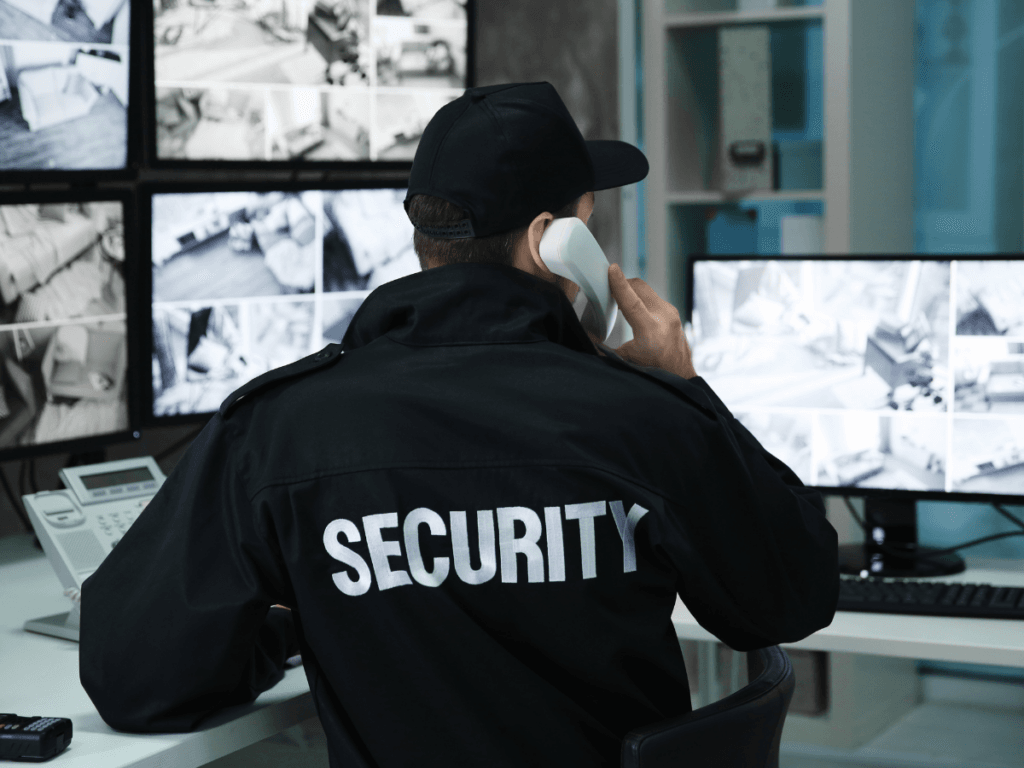
Modern surveillance services combine investigative experience with specialized equipment to document activities accurately and efficiently. While technology plays an important role, it is most effective when used by trained investigators who understand when, where, and how to deploy it legally and strategically.
The goal is not simply to collect images or recordings, but to gather reliable, well-documented evidence that supports the client’s objectives while maintaining discretion throughout the investigation.
Common Equipment Used During Surveillance Investigations
Professional investigators use different tools depending on the type of case, the location, and the legal requirements governing the investigation. Rather than relying on a single device, surveillance services often combine several technologies to build a complete picture of events.
Some of the most commonly used equipment includes:
| Technology | How It’s Used |
|---|---|
| High-definition cameras | Capture clear photographs and video from a distance while preserving important details. |
| Low-light imaging equipment | Allows investigators to continue documenting activity in evening or low-light conditions. |
| Long-range optical lenses | Help observe subjects from public locations without drawing attention. |
| Time-stamped digital recording systems | Create accurate documentation that supports investigative reports. |
| Secure communication devices | Allow surveillance teams to coordinate discreetly during mobile investigations. |
The exact equipment varies from case to case, but the objective remains the same: collecting accurate evidence while minimizing disruption or detection.
How Technology Improves Modern Surveillance Services
Advances in technology have made surveillance more efficient, but they have not replaced the need for professional judgment.
For example, today’s high-resolution digital cameras produce clearer evidence than older equipment, allowing investigators to document identifying details more effectively.
Improved battery life, image stabilization, and low-light performance also enable longer observation periods without sacrificing image quality.
Some surveillance teams may also use specialized optical equipment to monitor activity over greater distances when appropriate. In certain investigations, licensed operators may employ aerial photography or drones where legally permitted and when they provide a legitimate investigative advantage.
These tools can be useful for documenting large commercial properties, construction sites, or expansive outdoor locations, although their use is subject to strict legal and regulatory requirements.
Technology can enhance an investigation, but knowing when not to use certain equipment is equally important.
Technology Works Best Alongside Human Expertise
Many people assume successful investigations depend primarily on sophisticated gadgets. In reality, experienced investigators often make the greatest difference.
A skilled investigator understands how to:
- Select the right observation location.
- Anticipate subject movement.
- Recognize behavior patterns.
- Adapt when circumstances change unexpectedly.
- Document events objectively and accurately.
Technology simply supports these investigative decisions. Without proper planning and experience, even the most advanced equipment cannot guarantee meaningful results.
Using Surveillance Technology Responsibly
Professional surveillance services operate within legal and ethical boundaries. Equipment is selected and used in accordance with applicable privacy laws, licensing requirements, and investigative standards.
This distinction is important because not every commercially available surveillance device is appropriate for professional investigations.
Licensed investigators understand the limitations surrounding recording, photography, tracking technologies, and aerial equipment, helping ensure evidence is collected lawfully and responsibly.
Choosing a Professional Surveillance Team
When evaluating surveillance services, it is worth looking beyond the equipment list. While advanced technology certainly improves investigative capabilities, experience, discretion, and legal knowledge ultimately determine the quality of the results.
The most effective investigations combine modern tools with thoughtful planning, objective documentation, and skilled investigators who know how to gather reliable evidence without compromising confidentiality.
By pairing professional expertise with the right technology, surveillance services can provide clients with accurate, actionable information they can trust.
How Do Professional Surveillance Services Stay Legally Compliant?

Legal compliance is one of the most important aspects of any surveillance investigation. Professional surveillance services are designed to gather factual information while respecting privacy laws, licensing requirements, and rules governing evidence collection.
Following these standards not only protects the rights of everyone involved but also increases the likelihood that any evidence collected can be used effectively if legal proceedings arise.
Because surveillance laws vary by state and jurisdiction, experienced private investigators develop investigative plans that comply with applicable regulations rather than relying on a one-size-fits-all approach.
Understanding the Legal Framework for Surveillance Investigations
Many people assume that surveillance simply involves observing someone in public. In reality, licensed investigators must consider a variety of legal factors before, during, and after an investigation.
Some of the most important considerations include:
- Privacy laws: Investigators must understand where individuals have a reasonable expectation of privacy and where observation is legally permitted.
- Recording regulations: Rules governing photography, video recording, and audio recording differ depending on the jurisdiction and circumstances.
- Licensing requirements: Professional investigators must comply with state licensing laws and industry regulations that govern investigative conduct.
- Evidence handling: Reports, photographs, videos, and other documentation should be preserved carefully to maintain their reliability and integrity.
These legal safeguards help ensure surveillance services produce evidence that is collected responsibly and can withstand scrutiny if reviewed by attorneys, insurance companies, employers, or the courts.
Ethical Surveillance Is More Than Following the Law
Legal compliance is only part of a professional investigation. Ethical standards are equally important.
Responsible investigators avoid unnecessarily intrusive tactics and focus only on gathering information that is directly relevant to the client’s objectives. They also maintain confidentiality throughout the investigation, protecting sensitive information from unauthorized disclosure.
Professional surveillance services are designed to answer specific investigative questions, not to conduct unlimited monitoring. This focused approach helps balance investigative needs with respect for individual privacy.
Best Practices That Protect Clients and Investigations
Experienced investigators follow established procedures that reduce legal risk while improving the quality of the investigation.
These best practices typically include:
- Conducting a thorough case assessment before surveillance begins.
- Developing a strategy that complies with applicable laws.
- Maintaining accurate, time-stamped investigative notes.
- Documenting observations objectively without speculation.
- Storing evidence securely and maintaining a clear chain of custody when appropriate.
- Preparing professional reports that accurately reflect observed facts.
Following these procedures helps ensure that surveillance findings remain credible and professionally documented.
How Southeast Security Services Maintains Professional Standards
Southeast Security Services approaches every investigation with a commitment to professionalism, discretion, and legal compliance.
Rather than applying identical methods to every assignment, investigators evaluate each case individually and develop surveillance strategies that reflect the client’s objectives while remaining within applicable legal and ethical boundaries.
This client-focused approach includes:
- Conducting investigations discreetly to protect client confidentiality.
- Following state laws and professional licensing requirements.
- Using lawful investigative techniques and appropriate surveillance equipment.
- Providing accurate, objective documentation of investigative findings.
- Adjusting surveillance plans as circumstances change while maintaining professional standards.
By combining investigative experience with ethical decision-making, Southeast Security Services helps clients obtain reliable information without compromising privacy or legal compliance.
Why Legal Compliance Matters
The value of surveillance services depends not only on what information is collected but also on how it is collected. Evidence obtained through questionable or unlawful methods may have limited value and can create unnecessary legal complications.
Working with experienced, licensed investigators gives clients greater confidence that their investigation is being conducted responsibly.
By prioritizing legal compliance, confidentiality, and objective documentation, professional surveillance services provide information that clients can rely on when making important personal, legal, or business decisions.
How to Get Started With Professional Surveillance Services

When you’re dealing with a situation that requires reliable answers, knowing how to begin can feel overwhelming.
Whether you’re concerned about infidelity, child custody, employee misconduct, insurance fraud, or another sensitive matter, professional surveillance services are designed to provide objective information while protecting your privacy throughout the process.
Working with an experienced investigative team allows you to discuss your concerns confidentially, understand your options, and determine whether surveillance is the right approach before any investigation begins.
What to Expect During the Initial Consultation
The first conversation is an opportunity to explain your situation and ask questions, not a commitment to move forward immediately.
During the consultation, an investigator will typically discuss:
- The circumstances surrounding your case.
- The goals you hope to achieve.
- Whether surveillance is likely to produce useful evidence.
- Potential legal or practical limitations.
- An estimated timeline and investigative approach.
Every case is different, so reputable surveillance services develop recommendations based on your specific objectives instead of offering a generic investigative package.
Creating a Customized Investigation Plan
After evaluating the details of your case, investigators develop a strategy tailored to your needs. The plan considers factors such as the subject’s routines, likely locations, scheduling considerations, and the type of documentation that may be required.
Rather than conducting surveillance continuously, investigators focus on the periods most likely to produce meaningful observations. This targeted approach helps improve efficiency while reducing unnecessary investigative costs.
A customized plan may also be adjusted as new information becomes available, allowing investigators to respond to changing circumstances without losing sight of the original objective.
Staying Informed Throughout the Investigation
One of the biggest concerns clients have is not knowing what happens after hiring an investigator. Professional surveillance services address this by maintaining clear communication throughout the investigation.
Depending on the nature of the case, clients may receive:
- Updates on investigative progress.
- Notifications if significant evidence is obtained.
- Recommendations for adjusting the investigative strategy if circumstances change.
- A comprehensive report summarizing documented observations once surveillance is complete.
This ongoing communication helps clients stay informed without compromising the integrity of the investigation.
How to Request a Consultation or Surveillance Quote
Getting started is usually a simple process. Before the consultation, it helps to gather any information that may assist the investigator, such as names, relevant dates, locations, photographs, schedules, or specific concerns.
When contacting Southeast Security Services, you can expect to:
- Explain your situation in a confidential setting.
- Discuss whether surveillance is appropriate for your case.
- Receive recommendations based on your investigative goals.
- Review the proposed scope of work and estimated costs.
- Schedule surveillance if you decide to move forward.
Providing clear, accurate information during the initial consultation allows investigators to recommend the most effective strategy from the outset.
What Successful Surveillance Results Look Like
Every investigation is unique, and no ethical investigator can guarantee a particular outcome. The goal of surveillance is to gather verified, objective information that helps clients make informed decisions.
Successful surveillance services may help clients:
- Confirm or rule out suspicions.
- Document patterns of behavior.
- Support insurance, legal, or workplace investigations.
- Obtain evidence that may assist attorneys or other professionals.
- Gain peace of mind through verified facts rather than assumptions.
For many clients, having reliable information is valuable regardless of whether it confirms their initial concerns.
Why Experience Matters
Choosing experienced surveillance services means working with professionals who understand how to conduct investigations discreetly, legally, and efficiently.
From the initial consultation through the final report, Southeast Security Services emphasizes confidentiality, objective documentation, and clear communication at every stage.
By following a structured investigative process and tailoring each case to the client’s specific needs, professional investigators help transform uncertainty into factual information that can support important personal, legal, or business decisions.
Conclusion: How Professional Surveillance Supports Informed Decisions
Discreet surveillance services can provide valuable information when facts need to be verified while helping individuals, businesses, and organizations make informed decisions.
Whether the goal is protecting assets, supporting an investigation, or enhancing overall security, professional surveillance requires experience, careful planning, and a commitment to operating within applicable laws and ethical standards.
Choosing a trusted security provider can help ensure your concerns are handled with professionalism and confidentiality.
For reliable security and surveillance solutions, choose Southeast Security Services. If you need professional surveillance or security services, call (404) 504-7023 to speak with the team at Southeast Security Services or fill out the website form to request your free estimate today.